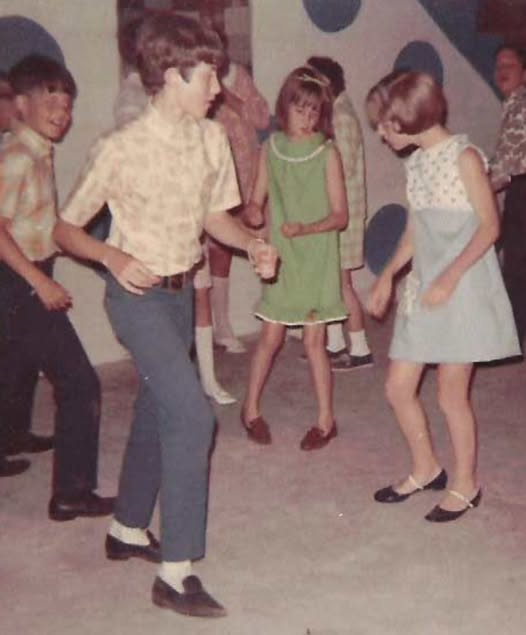

Introduction: A Time Long Gone
There is something irreplaceable about the memories we carry from our childhood, a simpler time when life was pure and unburdened by the complexities of today. We were the last generation that played outside until the stars came out, lived without the constant hum of technology, and spent our days in the embrace of the real world around us. But as the years have passed, that world seems increasingly distant, fading into the background of our digital age. For those of us who lived through it, the memories of simpler days will always resonate, even though we know they can never return.
The Last to Walk to School
We were the last generation to walk to school without a second thought. Rain or shine, we did not have the luxury of parents driving us, as we made our way on foot, across streets, through parks, and along dirt paths. It wasn’t out of necessity but out of the simple reality that walking was part of our daily routine. And while today’s children often shuffle between school and home in the comfort of a car, we understood something about the world that no GPS or app could teach us — the beauty of nature, the warmth of sunshine on our backs, and the sounds of birds chirping or the rustling of leaves in the wind. It was during these walks that we learned about the world around us, making connections with people and the environment in ways that would be hard to replicate in today’s fast-paced society.
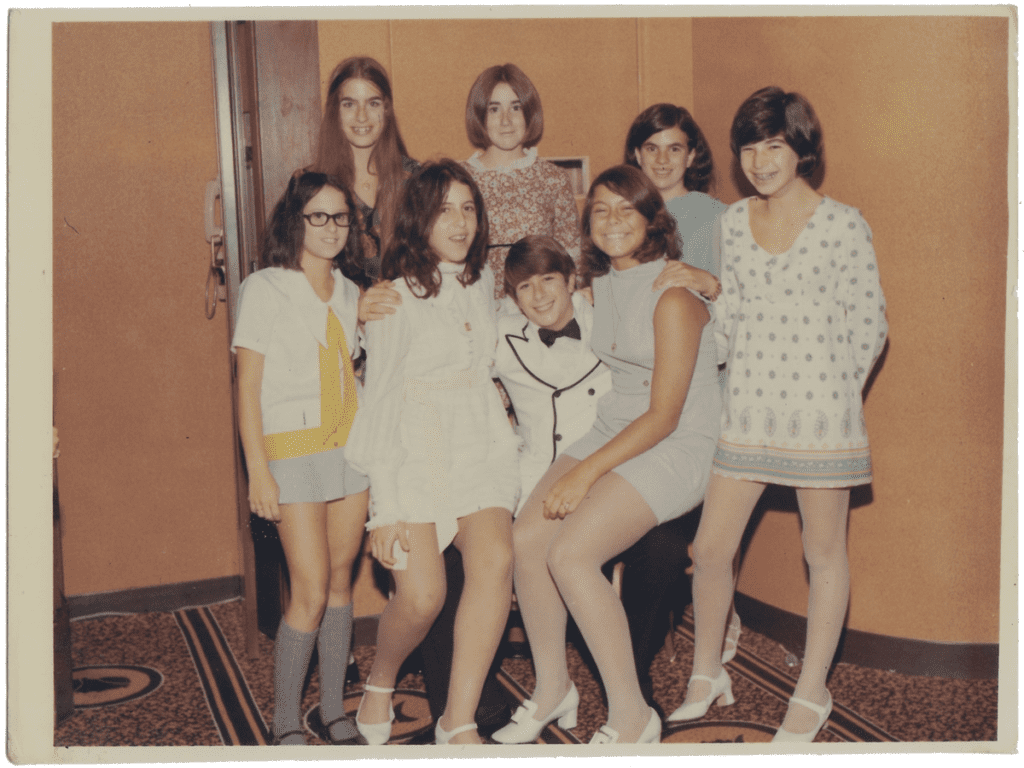
Free Play: The Essence of Childhood
Our childhood was marked by freedom — a freedom we sometimes took for granted. After school, we didn’t retreat to our rooms to watch TV or scroll through our phones. No, we dropped our bags, and we ran out the door. We were the last generation to truly play outside, uninterrupted, until the stars twinkled in the sky. We made mud pies, rode rusty bicycles that we had to fix ourselves, and created entire worlds out of the alleys and playgrounds we claimed as our own. We didn’t need gadgets to entertain us. Our imaginations were our greatest tool. We built forts out of sticks, held epic games of tag, and played hide and seek until the night forced us inside. We learned to be independent, to use our creativity, and to connect with each other without screens getting in the way.
The Simplicity of the Times
In the world we grew up in, things were much simpler. We didn’t have the internet to keep us occupied or social media to compare ourselves to others. Instead, we traded cards with friends, shared candy bought with coins earned from returning empty Coke bottles, and spent hours daydreaming about our futures — without the pressure of needing to be someone else or fit into a particular mold. We played games that taught us how to communicate, collaborate, and solve problems in ways that were meaningful. And when we needed a break, we simply lay on the grass, staring at the clouds, content in the simplicity of being present in the moment.
The Sounds of Our Youth
One of the most nostalgic parts of our childhood was the music. We didn’t have Spotify or YouTube to curate our playlists. Instead, we listened to vinyl records spinning softly in dimly lit rooms, the crackles of the needle adding a special kind of warmth to the songs. Music was an experience, not just background noise. The rhythm of a song could become the soundtrack of our lives. Whether it was our parents’ music or the songs we discovered on the radio, it was a constant in our lives. We would spend hours listening to our favorite albums, discussing lyrics, and bonding with friends over shared tastes. It wasn’t just music; it was culture, it was an expression, and it was ours.
Watching TV in a Different Way
Television was a different experience back then. We didn’t have the endless choice of channels or streaming services like we do today. There was no binge-watching; instead, we had scheduled programming. We eagerly awaited our favorite shows, and when they were over, that was it for the night. We watched TV sign off at midnight with the National Anthem, knowing that after a long day, the screen would go dark. And for some of us, that was the end of the day. We weren’t plugged in 24/7, and our attention wasn’t constantly divided. When we did watch, it was a communal experience, often shared with family or friends, creating memories we now cherish.
Conversations Without Notifications
Today, conversations are often interrupted by notifications, texts, and the constant ping of social media. But in our time, we could sit around the dinner table or gather in the living room, having conversations that weren’t interrupted by the next update or the latest post. We listened to each other, fully present in the moment, without distractions. The quality of our relationships wasn’t measured by the number of likes or followers we had; it was based on the depth of our conversations, the connections we made, and the experiences we shared. We knew how to make eye contact, listen actively, and connect on a deeper level. We valued face-to-face interaction, where the meaning behind a word was just as important as the word itself.
Technology: The Change We Never Expected
Looking back, we couldn’t have predicted the rapid rise of technology and its transformative impact on society. The world we grew up in was one of simplicity, where technology was still something you could control, something that was an accessory rather than an all-encompassing force. We didn’t grow up with phones in our pockets or the internet at our fingertips. The world was big, and our imaginations were bigger. We talked to people face-to-face, not through screens. We learned in classrooms, not from Google. Our connections were rooted in real experiences, not in algorithms.
But now, technology has changed everything. Children today grow up in a world of instant gratification. They have access to information, entertainment, and each other at the touch of a button. While this has its advantages, there is something undeniably special about the way we grew up. We knew how to find joy in the small things, in the moments that couldn’t be captured in a tweet or an Instagram story. We didn’t need constant stimulation. We lived in a world where our happiness wasn’t tied to likes or followers but to the simple pleasures of life.
The Value of Presence
The world we lived in was one where presence mattered. Families were there for each other, physically and emotionally. We spent time together, not just in the same room but actively engaging with one another. Our parents were present, not distracted by phones or emails. We learned the value of being there for someone, of offering a listening ear, of being a shoulder to cry on. We didn’t just hear people; we listened. We didn’t just share moments; we created memories. The world has changed, but the core of what makes a human connection meaningful remains the same.
The Legacy of Our Generation
As we look back, it’s impossible not to feel a sense of loss. The world we grew up in — full of spontaneous adventures, simple pleasures, and deep connections — is gone. But while that world is no more, the legacy of our generation lives on. We were the last to experience something pure, something timeless. And though the world around us continues to evolve, we carry the essence of that world with us. We are the generation that remembers how it felt to be truly free, how it felt to play until the stars came out, and how it felt to live without the weight of the digital world constantly on our shoulders.
The Call to Preserve the Simple Joys
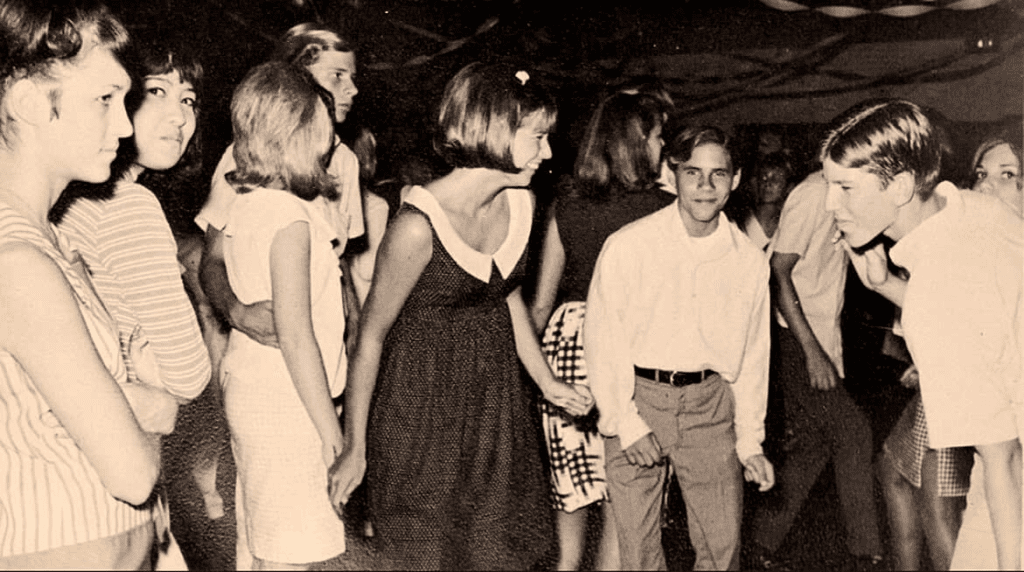
In a world where everything moves so fast, it’s important to remember the simple joys that once defined our childhood. We may never be able to bring back the exact world we knew, but we can choose to preserve the values that made it special. We can still make time for family, for play, for creativity, and for presence. We can teach the next generation the beauty of unplugging, the magic of a simple conversation, and the joy of being outside until the stars come out.
It’s up to us to ensure that the simple, real joys of life aren’t forgotten. The world may have changed, but we can still make it a place where moments matter, where memories are made, and where happiness is found in the most unexpected places.
Conclusion: Hold On to What Matters
As we look forward to the future, let us not forget the lessons of the past. The simplicity, the joy, the laughter — it’s all still there if we choose to hold onto it. So let’s make sure we take the time to slow down, to enjoy the moments that matter, and to pass on the values that made our generation unique.