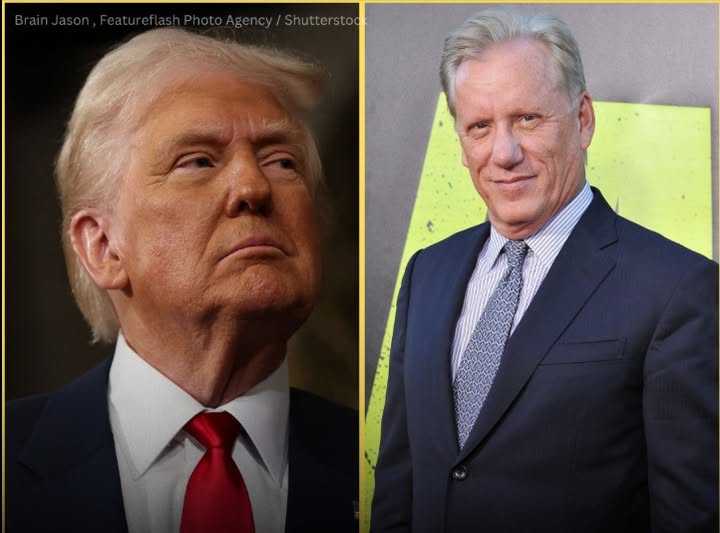

James Woods, a Hollywood actor known for his outspoken conservative views, has frequently commented on the treatment of Donald Trump, particularly during his time in office. According to Woods, from the moment Trump took office, he was subjected to an unprecedented level of attacks, lies, and degradation. These attacks came from all corners: the media, political opponents, and even members of his own party. Despite facing these relentless assaults, Trump stood his ground, unwavering in his commitment to the American people.
It’s no secret that Donald Trump’s presidency was controversial, but one undeniable aspect of his leadership was his resilience. He faced ongoing criticism, often in the form of media slander and political opposition. In many ways, Trump became a symbol of defiance, someone who refused to bend to the pressures placed upon him.
Much like a lion standing strong against a pack of jackals, Trump weathered storm after storm, remaining resolute in his belief that his policies were best for the nation. His critics argued that he was unfit for office, while his supporters saw him as a champion who fought tirelessly for the working-class American. This article delves into the unwavering resilience of Donald Trump—how he faced constant opposition, yet remained unbroken, and what lessons can be learned from his political journey.
The Relentless Attacks
From the day he announced his candidacy, Donald Trump faced a barrage of criticism that continued throughout his presidency. His unconventional style and unapologetic rhetoric made him a lightning rod for controversy. Even before he took office, Trump was a target of the media, who questioned his qualifications, integrity, and motives. His infamous “grab them by the p****” comment was twisted and used as a means to label him as misogynistic and unqualified to hold office.
Once he became president, the attacks only intensified. Throughout his time in office, he faced constant scrutiny from the media, particularly the mainstream outlets. The so-called “fake news” narrative became central to his presidency. Trump’s use of Twitter became a powerful tool to directly communicate with his supporters, bypassing traditional media and creating his own narrative. But this also led to frequent confrontations with journalists, who often misquoted or misrepresented his words.
Beyond the media, Trump also faced constant attacks from political opponents. Every decision he made, from his stance on immigration to his handling of foreign relations, was met with fierce criticism. The Democrats, in particular, were vocal in their opposition, frequently accusing him of racism, misogyny, and authoritarian tendencies. They mounted multiple investigations into his administration, including the infamous Mueller investigation into Russian interference in the 2016 election.
Despite these attacks, Trump remained steadfast in his beliefs. Instead of caving under the pressure, he leaned into his rhetoric, doubling down on his message. His mantra, “Make America Great Again,” became a rallying cry for millions of Americans who felt left behind by the political establishment. He repeatedly emphasized that he was fighting not just for himself but for the working-class Americans who felt ignored by Washington.
Trump’s resilience in the face of relentless opposition became his defining characteristic. While many politicians would have buckled under such sustained criticism, Trump’s refusal to back down made him a figure of strength for his supporters. His ability to take punches and keep fighting was something his critics found frustrating, but it also solidified his place in the hearts of millions of Americans who saw him as their champion.
Trump’s Legacy of Strength
When historians look back on Trump’s presidency, they’ll remember a man who was unrelenting in his pursuit of the American people’s interests. His policies, many of which were bold and unconventional, were often met with opposition from both Democrats and Republicans. Yet, Trump’s confidence in his vision never wavered. His focus on tax cuts, deregulation, and America-first trade policies were at the core of his administration’s agenda.
One of Trump’s greatest accomplishments was his economic policies, which led to significant job creation and a historically low unemployment rate before the pandemic. His tax cuts were particularly popular among his supporters, who believed that reducing the tax burden on businesses and individuals would lead to greater economic prosperity. Trump argued that reducing the corporate tax rate would allow American businesses to thrive, bringing jobs back to the U.S. and stimulating economic growth. Critics, however, claimed that his tax cuts disproportionately benefited the wealthy, creating a wider income gap.
Despite these criticisms, Trump’s economic policies produced tangible results. The stock market reached record highs, and the unemployment rate for African Americans, Hispanic Americans, and women hit historic lows. For Trump’s supporters, these were tangible proof that his policies were working. Even in the face of criticism, Trump pushed forward with his agenda, refusing to back down from his vision of an America that was economically strong and self-sufficient.
Trump’s foreign policy also left an indelible mark on his legacy. His “America First” approach led to the withdrawal from international agreements such as the Paris Climate Accord and the Iran nuclear deal. While these decisions were controversial, they reflected Trump’s belief that the U.S. should no longer be bound by global agreements that did not benefit American interests. Trump also took a hard stance on China, imposing tariffs and calling out the country for unfair trade practices. His foreign policy decisions were aimed at restoring American strength on the world stage, and while they were met with opposition, they were part of his broader goal to ensure that America was respected and powerful.
Throughout his presidency, Trump remained a figure of strength for his supporters. He was seen as a man who was willing to make tough decisions, even if they were unpopular, because he believed it was what was best for the country. His legacy is one of strength, determination, and an unwavering commitment to his principles, regardless of the obstacles in his way.
The Battle Against ‘Fake News’
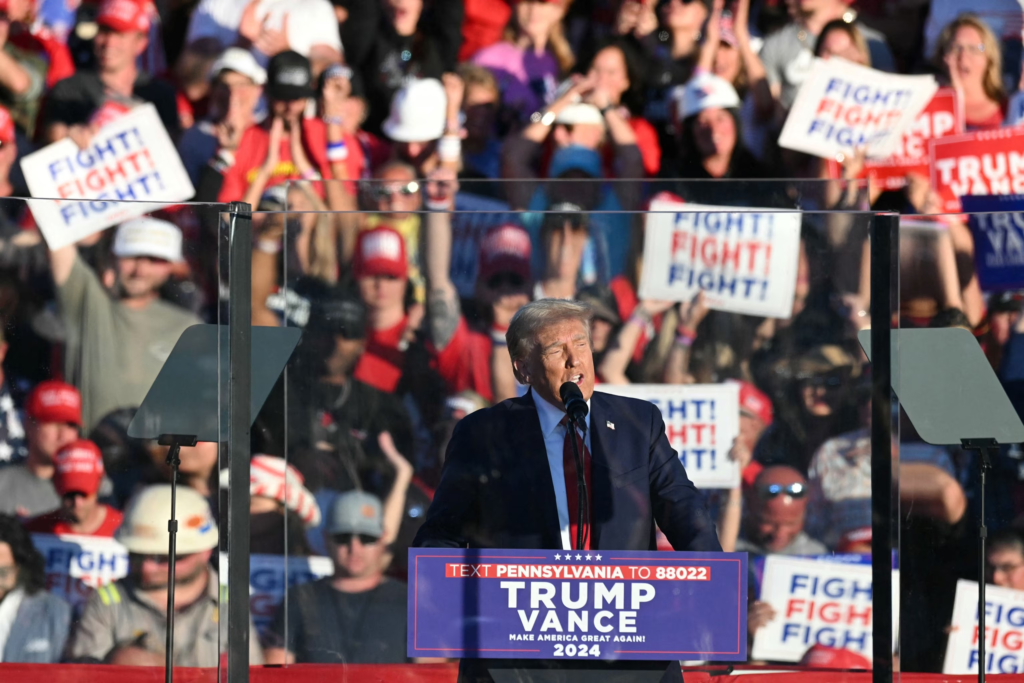
One of the defining features of Trump’s presidency was his battle against the media. From the very beginning, Trump labeled mainstream media outlets as “fake news,” accusing them of spreading misinformation and bias. This was particularly evident in the way the media covered his administration’s policies. Every executive order, tweet, and statement was scrutinized and often taken out of context to create a narrative that Trump was unfit for office.
Trump’s frequent use of Twitter allowed him to bypass the media and speak directly to the American people. While critics argued that his tweets were unpresidential, Trump believed that this direct communication was necessary to combat the false narratives being spread about him. By tweeting directly to his followers, Trump was able to control the narrative and give his side of the story, which resonated with millions of Americans who felt that the media was not representing their views.
This battle against “fake news” became a central theme of Trump’s presidency. Every time a major news outlet attacked him, he would respond, often with fiery tweets or statements. While the media and his critics saw this as divisive, Trump’s supporters saw it as a necessary fight for the truth. Trump’s “fake news” mantra became a rallying cry for those who believed that the mainstream media was biased and out of touch with the American people.
Trump’s battle with the media was not just about protecting his image but about challenging the power of the media to shape public opinion. In a world where news is often filtered through the lens of political bias, Trump’s approach was to go straight to the people, bypassing the traditional channels. While this led to a constant back-and-forth with the press, it also created a strong bond between Trump and his supporters, who felt that they were finally being heard.
Trump’s Unshaken Faith in His Mission
Throughout his presidency, Trump faced multiple crises, but his faith in his mission never faltered. Whether it was the Mueller investigation, the impeachment trials, or the global pandemic, Trump remained focused on what he believed was his true purpose: putting America first. He understood that his policies were not always popular, but he also believed that history would prove him right.
One of the key aspects of Trump’s leadership was his ability to make decisions based on his convictions, even when they were unpopular. Whether it was his stance on climate change, foreign policy, or healthcare, Trump stuck to his principles, even when the political establishment pushed back. His unwavering belief in his mission to “Make America Great Again” was a guiding force throughout his presidency.
Trump’s ability to remain unshaken in the face of adversity is what made him a unique leader. While other politicians may have caved under pressure, Trump stood firm. His decision to withdraw from the Paris Climate Accord, for example, was met with widespread criticism, but Trump believed it was in America’s best interest. Similarly, his handling of the coronavirus pandemic was controversial, but he continued to prioritize the economy and American businesses, showing his commitment to the American people.

Trump’s Enduring Impact Post-Presidency
Even after leaving office, Trump’s impact continues to be felt across the nation. His influence on American politics remains strong, and his supporters continue to rally behind his message of nationalism, economic independence, and law and order. Though he faces legal challenges and political opposition, Trump’s legacy is secure as one of the most influential political figures of modern times.
Since leaving office, Trump has continued to play a central role in shaping political discourse. His endorsement remains highly sought after in Republican primaries, and his influence on the party is undeniable. Trump’s policies, particularly on trade, immigration, and national security, have left a lasting mark on the Republican platform, and his followers continue to rally around his vision for America.
Trump’s enduring impact can also be seen in the way his policies have influenced future administrations. While his successor, Joe Biden, has taken a different approach, many of Trump’s policies remain in place, particularly in areas like border security, trade, and foreign policy. Trump’s approach to America-first policies has reshaped the Republican Party and the political landscape as a whole.
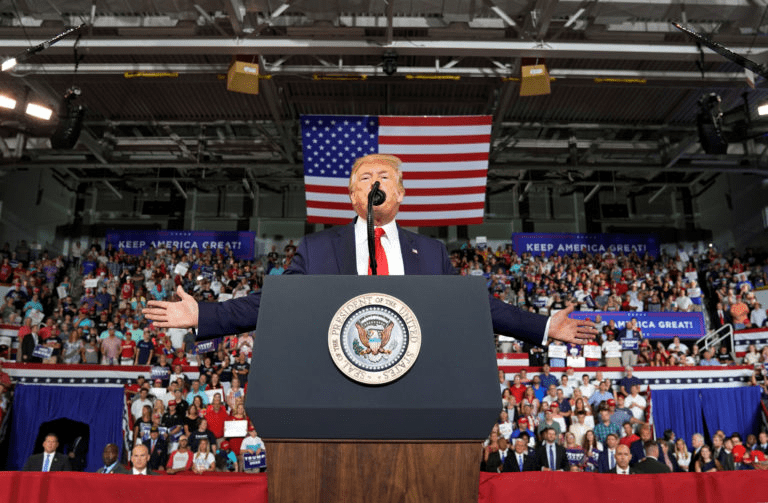
Donald Trump’s presidency may have been marked by controversy, but his resilience and unwavering commitment to his vision for America cannot be denied. Throughout his time in office, he faced relentless attacks from all sides, yet he stood tall, fighting for what he believed in. His ability to remain unbroken in the face of constant opposition earned him the admiration of millions of Americans who saw him as a symbol of strength and resilience.
Trump’s impact on American politics will continue to be felt for years to come. His dedication to the American people and his fight for their interests set him apart from many politicians who caved to the pressures of the political elite. As we look to the future, Trump’s legacy as a fighter who never backed down will remain a defining characteristic of his political career.