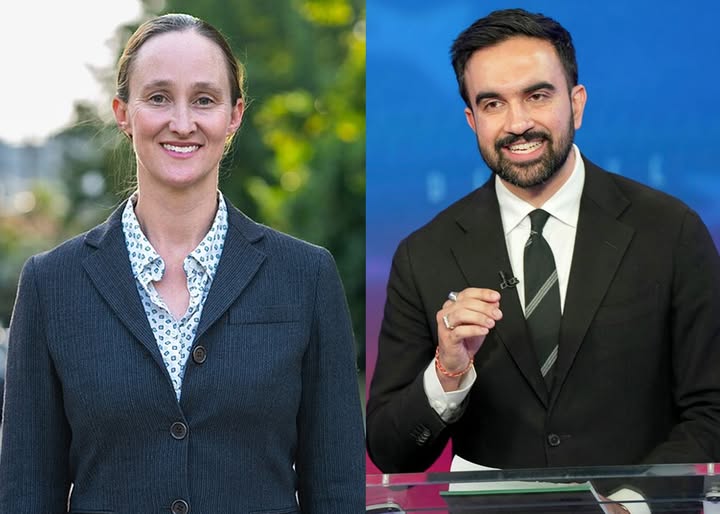

Seattle has always been a city of progressive values, from its robust environmental policies to its strong advocacy for social justice. But with the election of Katie Wilson, a 43-year-old community organizer, as the city’s new mayor, Seattle has taken its progressive identity to a whole new level.
Wilson’s victory, which shocked both political insiders and corporate giants, marks a shift away from the traditional establishment politics that have long dominated the city. Her platform of taxing the wealthy, fighting for affordable housing, and expanding transit is resonating deeply with a growing segment of the population, particularly Millennials, Gen Z, renters, and working-class families who feel left behind by Seattle’s rapidly changing economic landscape.
In this article, we’ll explore Wilson’s rise to power, the battle against corporate-backed candidates, and what her victory means for Seattle, its future, and the wider political landscape in America.
The Underdog Victory: From Grassroots Activism to Mayor’s Office

Katie Wilson wasn’t always a household name. Before her mayoral run, she was known as a passionate advocate for the Transit Riders Union and a vocal critic of the tech industry’s growing influence on Seattle’s housing market. Her decision to enter the race for mayor came after incumbent Bruce Harrell led a successful campaign to block a tax on high earners, one that would have funded affordable housing and alleviated the city’s housing crisis.
For many voters, Harrell’s stance on this issue was the last straw. The perception of him as an establishment figure tied to the corporate elite did not sit well with the working-class residents who felt that their city had been sold out to luxury developers and big tech. Wilson, by contrast, was a breath of fresh air. She presented herself not as a career politician, but as someone who understood the struggles of everyday Seattleites. Wilson’s commitment to progressive values—taxing the rich, expanding public transit, and building a city for people, not profits—struck a chord with voters.
The race was tight, but Wilson’s message gained momentum in the final stretch, fueled by a wave of late ballots from the younger generations and renters, who were eager to vote for a candidate that would prioritize their needs over corporate interests. By Wednesday night, Wilson’s lead had grown large enough to ensure her victory, marking the start of a new era for Seattle.
Seattle’s Establishment Shake-Up

Wilson’s victory represents more than just a shift in the mayor’s office—it’s a full-blown political shake-up. In addition to her win, Seattle’s progressive slate for the City Council also triumphed. The political establishment, long dominated by corporate interests and big-money donors, was dealt a significant blow. Even incumbents who had previously been seen as too cozy with downtown power brokers were ousted by voters demanding change.
What does this mean for the future of Seattle? In many ways, it signifies the end of a political era in which wealth and power were the deciding factors in elections. Wilson’s victory shows that grassroots movements, fueled by the energy and passion of the working class, can no longer be ignored.
The Political Message Behind Wilson’s Victory

Wilson’s platform was simple yet powerful. She believed that:
- Housing is a human right: A message that resonated with renters and low-income families struggling to find affordable housing in a city where the tech industry has driven up rents and pushed many residents out.
- Tax the rich, not the working class: A proposal to implement higher taxes on Seattle’s wealthiest residents, many of whom have benefited from the booming tech economy while leaving the city’s lower-income workers behind.
- Expand transit and protect renters: Wilson’s promise to improve Seattle’s public transportation system and protect renters from predatory landlords further solidified her appeal among those who feel neglected by the political establishment.
In contrast, Harrell’s campaign tried to position himself as the pragmatic moderate who could keep Seattle “stable.” However, voters weren’t buying it. They saw Harrell as another politician who was more interested in appeasing wealthy donors and developers than actually addressing the city’s growing inequality.
Wilson’s win is a reminder that experience alone doesn’t guarantee success—especially when that experience is tied to policies that benefit the rich at the expense of the poor. Seattle voters showed that they were ready for a leader who would fight for the people, not the powerful.
A Nationwide Political Shift: The Impact of Katie Wilson’s Victory

Wilson’s win in Seattle isn’t just a victory for progressive politics; it’s part of a growing movement across the country. From Zohran Mamdani’s rise in New York City to the increasing popularity of Democratic Socialists and progressive candidates in other major cities, Wilson’s victory is a sign that the political establishment may be on the verge of a major shake-up.
Why does this matter? Because it signals a shift away from the traditional model of corporate-backed candidates who rely on big donors and establishment endorsements. Instead, voters are turning to candidates who prioritize people over profits, who are willing to challenge the status quo, and who are unafraid to push for bold solutions to the problems that are holding working-class families back.
As cities like Seattle and New York embrace progressive leadership, it’s clear that the future of American politics may not lie with the centrist, corporate-backed candidates who have long dominated the scene. Instead, it may be with leaders like Wilson, who are committed to making real change happen for the people.
What’s Next for Seattle? A Progressive Future

With Katie Wilson now in office, what can Seattleites expect from their new mayor? A future where affordable housing is prioritized, public transit is expanded, and the city’s wealthy elite finally start to pay their fair share.
Wilson’s agenda is already being met with resistance from the city’s corporate elite, who are unhappy with her calls to raise taxes and implement progressive policies. But Wilson has shown that she’s not afraid of a fight. She’s ready to take on the billionaires and big tech companies that have shaped Seattle’s politics for far too long.
As Wilson begins her tenure, she will have the support of a newly energized City Council, as well as a large base of progressive activists who are eager to see the city become a model for social justice, environmental sustainability, and economic equality. Seattle is poised to become a key battleground in the fight against the billionaire class—and the rest of the country is watching closely.
The Future is Progressive

Katie Wilson’s victory is a monumental moment in Seattle’s political history. It’s a victory for the working class, for renters, for transit riders, and for anyone who believes that housing is a human right. It’s a win for progressive values, and it’s a sign that the political landscape in America is changing.
But this is just the beginning. As Wilson takes office and begins implementing her progressive agenda, she will undoubtedly face pushback from the corporate interests that have long controlled Seattle’s politics. But if her campaign is any indication, she’s ready to take on that fight—and she’s not doing it alone.
Seattle has spoken loud and clear: they want a future where people come before profits, and they’re willing to stand up to the billionaire class to make that happen.
This isn’t just a victory for Seattle—it’s a victory for progressive politics across the nation.