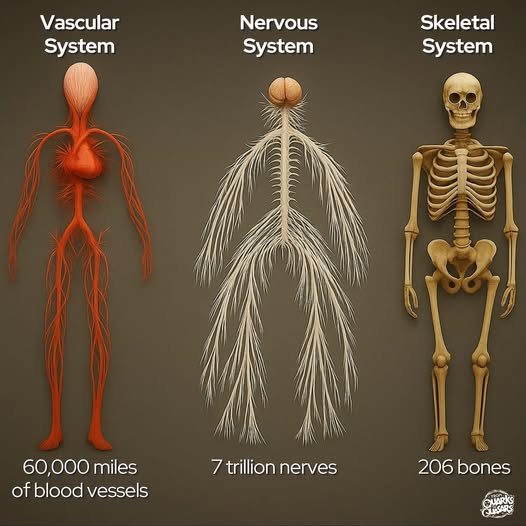

The human body is an incredible organism, composed of interconnected systems that work harmoniously to ensure survival and optimal functionality. These systems—vascular, nervous, and skeletal—serve specific and critical functions that help maintain the body’s homeostasis. Together, they form a highly adaptive network capable of reacting to every environment, condition, and experience we encounter.
The Vascular System: Circulating Life
The vascular system is arguably one of the most essential systems in the human body, responsible for the circulation of blood, oxygen, nutrients, and waste products. This complex system includes 60,000 miles (96,560 km) of arteries, veins, and capillaries that stretch throughout the body, ensuring that every cell receives the oxygen and nutrients needed to function. This network is so vast it could encircle the Earth multiple times, highlighting the scale and importance of this system.
The heart, a vital organ in the vascular system, plays an active role in circulating blood through the arteries and veins. Every time the heart beats, it pumps approximately 70 milliliters of blood, delivering oxygen, hormones, and nutrients to the body’s tissues. This action is continuous—24 hours a day, 7 days a week—without fail. Through its rhythmic beating, the heart ensures that the body’s blood vessels are always flushed with fresh oxygenated blood while removing waste products like carbon dioxide and urea. The vascular system helps the body fight infections, regulate temperature, and maintain homeostasis.
Additionally, the blood that flows through the vascular system has its own components, including red blood cells (which carry oxygen), white blood cells (which fight infections), and platelets (which help with clotting). The efficient movement of blood is not only vital for physical well-being, but also affects emotional and mental functions, ensuring that the brain and other organs receive the nutrients they need to function optimally.
The Nervous System: The Body’s Control Center
The nervous system is often described as the body’s electrical grid, a vast communication network responsible for transmitting signals from the brain to every part of the body and vice versa. This system is essential for coordinating the body’s movements, senses, and reactions, and it is comprised of approximately 7 trillion nerves.
At the heart of the nervous system lies the brain, which processes information and makes decisions. The spinal cord, connected to the brain, acts as the pathway for transmitting signals to and from the brain, allowing us to respond to stimuli. The peripheral nervous system (PNS) consists of nerves branching out from the spinal cord, extending throughout the body to ensure coordination between muscles, organs, and tissues.
The speed at which nerve signals travel is truly remarkable—up to 268 miles per hour (431 km/h). This allows for lightning-fast communication between the brain and body, essential for reflexes, motor skills, and responses to changes in the environment. For example, when you touch something hot, your nervous system sends a rapid signal to your brain, which in turn triggers a reflex action to pull away your hand in fractions of a second. These reflexive responses help protect the body from harm and play an integral role in survival.
Nerve signals are not just essential for physical movements. They are crucial for cognition, emotions, and sensory processing. Our sense of sight, hearing, taste, touch, and smell are all mediated by the nervous system. The ability to process complex thoughts, memories, and feelings also depends on the intricate work of neurons, synapses, and neurotransmitters in the brain.
The Skeletal System: The Body’s Framework
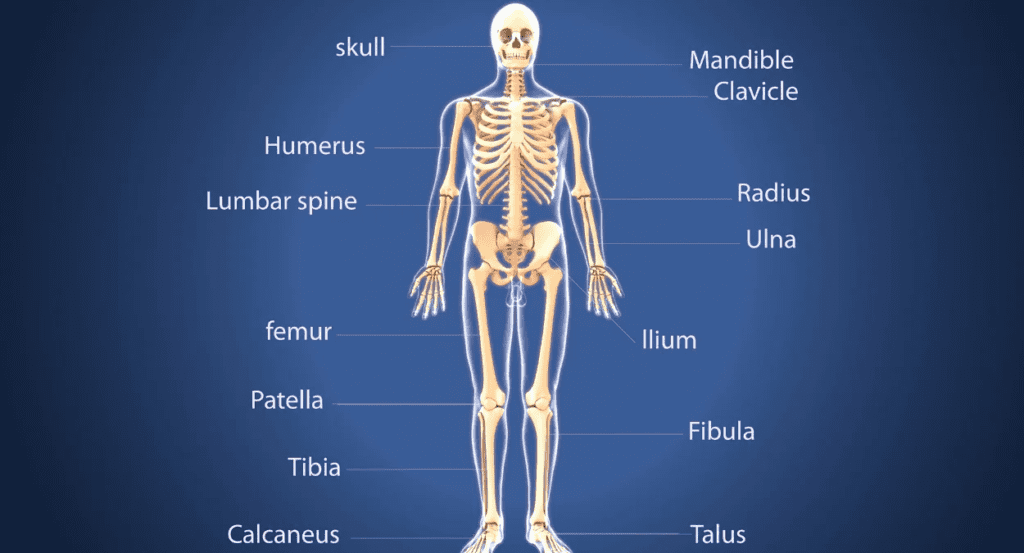
The skeletal system is the structural foundation of the body. It consists of 206 bones, which are categorized into two main parts: the axial skeleton (which includes the skull, spine, and ribcage) and the appendicular skeleton (which includes the limbs and pelvis). The bones provide a solid framework that supports the body, allowing for movement and protecting vital organs.
Bones are not just static pieces of tissue; they are dynamic, living structures that respond to the demands placed upon them. When we exercise or put stress on our bones, they become stronger. This process, known as bone remodeling, ensures that bones remain resilient and adaptable throughout our lifetime. Conversely, a lack of physical activity can lead to bone density loss, which is why maintaining an active lifestyle is critical for bone health.
Beyond structure and movement, bones serve other vital roles. They protect delicate organs like the brain, heart, and lungs. The skull, for instance, encases the brain, while the ribcage shields the heart and lungs from injury. Additionally, bones store calcium and phosphorus, essential minerals needed for various bodily functions, including muscle contraction and nerve signaling.
Another critical function of bones is the production of blood cells. The bone marrow inside certain bones produces red blood cells (which carry oxygen), white blood cells (which fight infections), and platelets (which help with blood clotting). This function is vital for the body’s immune defense and overall health.
Interconnectedness: How the Systems Work Together
One of the most remarkable aspects of the human body is the interdependence between the vascular, nervous, and skeletal systems. Each system relies on the other to maintain homeostasis and ensure proper functioning.
- Vascular System and Nervous System: The vascular system delivers oxygen and nutrients to the nerves, which is essential for nerve function. Similarly, the nervous system regulates the heart rate and blood pressure, ensuring the efficient functioning of the vascular system.
- Nervous System and Skeletal System: The nervous system controls muscle movements, which in turn allow the body to move and engage with the environment. Without the skeleton providing structure, muscles would have no anchor, and movements would be impossible. Additionally, bones are constantly communicating with the nervous system, sending feedback about pressure, tension, and injury.
- Vascular System and Skeletal System: Bones are nourished by blood, which delivers nutrients to the bone tissue and removes waste products. The vascular system also helps in bone healing after fractures by delivering the necessary components for bone regeneration. In turn, the skeletal system houses the bone marrow, which is crucial for blood cell production.
The Body’s Response to External Stimuli: Adaptation and Healing
The body’s remarkable ability to adapt and heal itself is another testament to its interconnectedness. Each system responds to external and internal stimuli, ensuring the body can thrive despite constant environmental challenges. Whether it’s adjusting to temperature changes, physical activity, or emotional stress, the body has evolved to respond intelligently to these stimuli.
When we exercise, for instance, our vascular system increases blood flow to muscles, delivering oxygen and nutrients while removing waste products. Our bones respond by becoming denser and stronger in response to the physical load. The nervous system sends signals to the muscles to contract and relax, allowing us to perform movements.
Moreover, the body has an incredible ability to heal itself. When we suffer from an injury, such as a broken bone or a muscle tear, the vascular system delivers blood to the site of injury, bringing oxygen and nutrients needed for repair. The skeletal system produces new bone tissue to heal fractures, while the nervous system helps the brain monitor the healing process and coordinate movements to avoid further injury.
Conclusion: A Masterpiece of Coordination
The human body is an extraordinary masterpiece of biology, designed to work as a perfectly synchronized system. Each component—the vascular, nervous, and skeletal systems—plays a vital role in ensuring that we function at our best. The vascular system circulates blood to nourish and protect organs, the nervous system transmits electrical signals that control thoughts and actions, and the skeletal system provides structure, protection, and healing.
When these systems work together, they form an intelligent, adaptive network capable of responding to the challenges we face. From the heart’s beating rhythm to the nerve signals that govern movement, to the bones that support and protect us, every aspect of the body is intricately designed for survival and thriving.
It is essential to recognize the incredible complexity of our body and how each system plays its part in keeping us healthy. By understanding these systems and their interconnectedness, we can better appreciate the wonders of human life and the importance of maintaining our bodies’ health and balance.
Image Placements Suggestions:
- A detailed diagram of the vascular system with arteries, veins, and capillaries labeled.
- A visual representation of the nervous system, showcasing the brain, spinal cord, and nerves.
- An illustration of the human skeleton, highlighting key bones.
- A diagram of the heart and its connection to the vascular system.
- A depiction of bone remodeling in response to physical activity.
- An image of the body’s adaptive responses to physical and emotional stimuli.
CTA: “Ever wondered how the human body works as a whole? Discover the intricate connections between our vascular, nervous, and skeletal systems in this fascinating exploration. Learn more about how these systems work together to keep you alive and thriving!”