
The Deep Connection Between Mother and Child: How a Mother Carries Her Child Physically and Emotionally
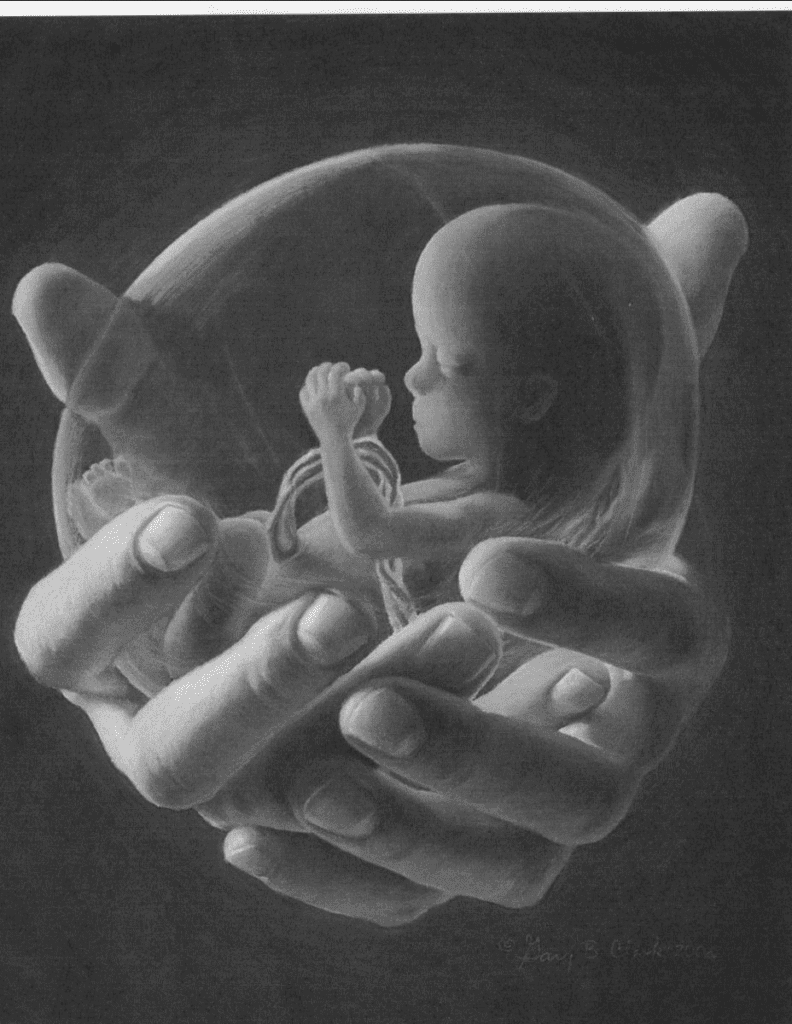
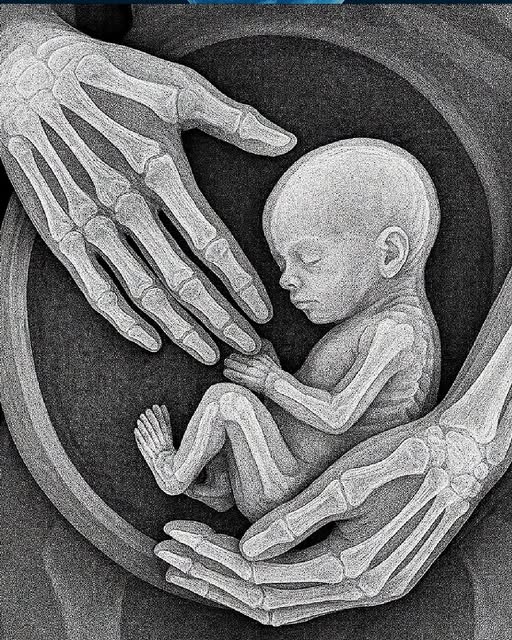
The bond between a mother and her child is often described as one of the strongest and most profound relationships in life. From the moment a child is conceived, a connection is formed that transcends mere biology. This connection, however, is not only emotional but also physical in ways that are surprising and astonishing. Recent scientific discoveries have revealed that when a woman is pregnant, her baby’s cells enter her bloodstream, traveling to various organs, including the heart, and sometimes even helping to repair damage. These cells can stay with her for a lifetime, creating a physical link between mother and child long after the pregnancy has ended.
The Science Behind Fetal Cells Entering the Mother’s Bloodstream
For centuries, the bond between mother and child was thought to be purely emotional. However, the emerging field of microchimerism has revealed fascinating insights into how deeply intertwined the two are on a biological level. Microchimerism refers to the presence of foreign cells within an individual’s body, and in the case of pregnancy, this means that a small number of fetal cells cross the placenta and enter the mother’s bloodstream.
These cells can then travel to various parts of the mother’s body, including her heart, lungs, and even the brain. While these cells are initially part of the developing fetus, they don’t simply disappear after birth. Instead, some of these cells persist in the mother’s body for years, even decades, after the pregnancy.
The Role of Fetal Cells in the Mother’s Health
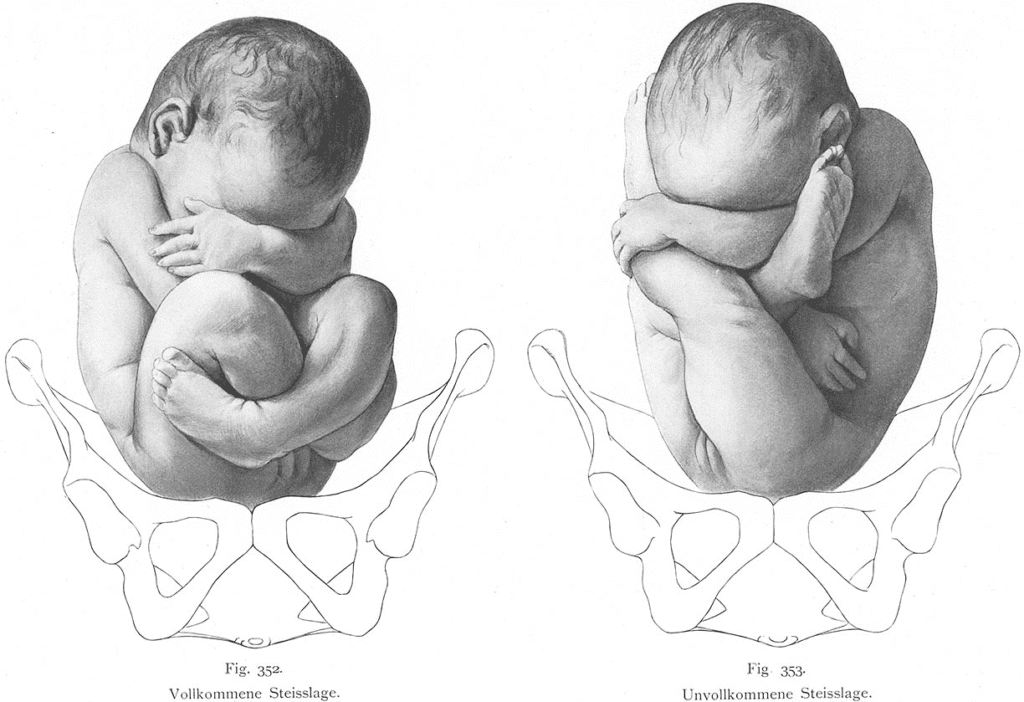
What’s even more remarkable is the role these fetal cells can play in the mother’s health. Researchers have found that, in some cases, these cells can help repair damage to the mother’s organs. One of the most striking examples of this occurs in the heart. Studies have shown that fetal cells can migrate to the mother’s heart during pregnancy and may even contribute to tissue repair if the mother experiences an injury later in life. This discovery suggests that the physical bond between mother and child is not just a sentimental connection, but one that also benefits the mother’s well-being.
This phenomenon is not limited to just the heart. Fetal cells have been detected in the mother’s liver, brain, and kidneys, and there is evidence to suggest that these cells may play a role in healing tissues in these organs as well. While the science behind this process is still being studied, the early findings point to the fact that a mother literally carries her child not only in her heart emotionally but physically, as well.
A Mother’s Heart: A Symbol of Emotional and Physical Connection
The idea that a mother carries her child in her heart emotionally is a sentiment that many people can relate to. The connection a mother feels for her child is often described as unconditional love, a bond that is unparalleled. But now, science has shown that this emotional connection is mirrored in a physical way—her child’s cells literally reside in her heart, staying with her long after birth.
For mothers, this physical connection takes on even deeper meaning. Imagine that the cells of your child—your own flesh and blood—are still with you, helping to repair your body, reminding you of the bond you share. This adds a new dimension to the phrase “a mother’s heart,” a symbol of love, sacrifice, and connection that is not just emotional but biologically embedded in her being.
Fetal Cells in the Brain and Other Organs
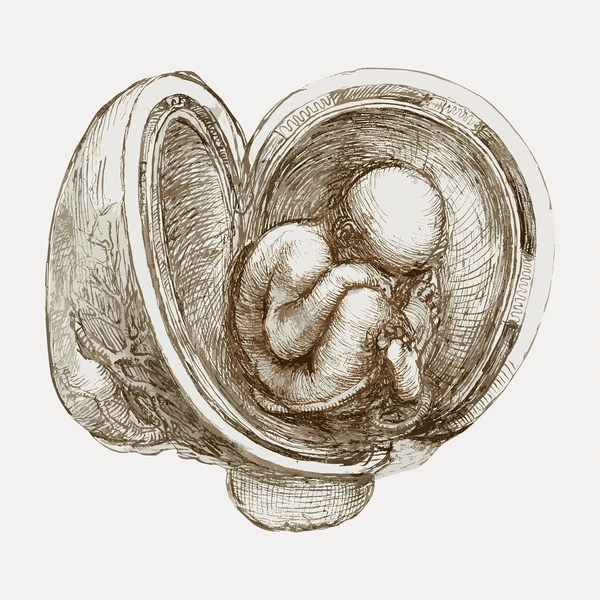
The presence of fetal cells in the mother’s brain has also raised intriguing questions about the long-term effects of this microchimerism. Some studies suggest that these cells may help protect the mother from certain neurological diseases, potentially offering some degree of defense against conditions like Alzheimer’s. While these findings are still in the early stages, they open up new possibilities for understanding how the cells of a child may have lasting effects on the mother’s health.
Similarly, the presence of fetal cells in the mother’s liver and kidneys may have implications for organ function and disease prevention. These cells, believed to help with tissue repair, could provide an additional layer of protection for mothers, helping to maintain health and function in these vital organs over time.
The Emotional and Physical Significance of Microchimerism
What makes this connection so remarkable is how it bridges the emotional and physical aspects of motherhood. It shows that a mother’s love for her child isn’t just a mental or emotional experience—it’s also encoded in her body. The cells of her child live on within her, creating an unbreakable bond that lasts long after pregnancy.
For mothers, the knowledge that their child’s cells remain with them throughout their lives may offer a sense of connection that is both profound and reassuring. It’s not just an emotional tie, but a physical one that is rooted in biology. This new understanding of the connection between mother and child highlights just how deeply intertwined the two are, in ways that go beyond love and affection.
The Implications for Parenthood and Medical Science
The discovery of microchimerism has important implications for both medical science and our understanding of parenthood. For years, scientists have focused primarily on the effects of a mother’s health on her child, but this research flips the script. It shows that a mother’s health can be influenced by her child long after birth, potentially affecting her health in surprising ways.
For example, some researchers believe that the presence of fetal cells in the mother’s body could help explain why mothers often experience a greater sense of well-being after pregnancy. These cells may play a role in boosting immune function or promoting tissue repair, contributing to the physical and emotional resilience that many mothers feel after giving birth.
The Unbreakable Bond: A New Perspective on Motherhood
Ultimately, the discovery of microchimerism offers a new perspective on the bond between mother and child. It underscores the idea that this connection is not just emotional or psychological—it’s physical, too. The cells of a child can live within the mother’s body for a lifetime, reminding her of the deep, unbreakable connection they share. It’s a bond that transcends time and space, and it’s one that continues to shape a mother’s life long after her child is born.
This new understanding of the maternal bond also highlights the remarkable resilience of both mothers and their children. From the moment of conception, a mother’s body becomes a life-supporting environment for her child, and even after birth, the child continues to impact the mother’s health and well-being in profound ways. The mother and child are not just connected by love and care—they are physically linked, their lives intertwined in ways that go far beyond what we once understood.
The Science of Love and Life
The discovery that a mother carries her child’s cells throughout her lifetime is a powerful testament to the enduring nature of motherhood. It demonstrates that the bond between mother and child is not just emotional but deeply biological. The child’s cells, traveling through the mother’s bloodstream and settling in her organs, provide an undeniable link that lasts a lifetime.
This newfound knowledge about microchimerism not only deepens our understanding of the maternal connection but also opens the door for further exploration into how this bond may affect health, well-being, and disease prevention. As science continues to uncover the mysteries of the human body, the connection between mothers and their children serves as a powerful reminder of the beauty, complexity, and resilience of life itself.