
The Debate Over Trump’s Proposal: Should Pride Month Be Replaced with Veterans Month?
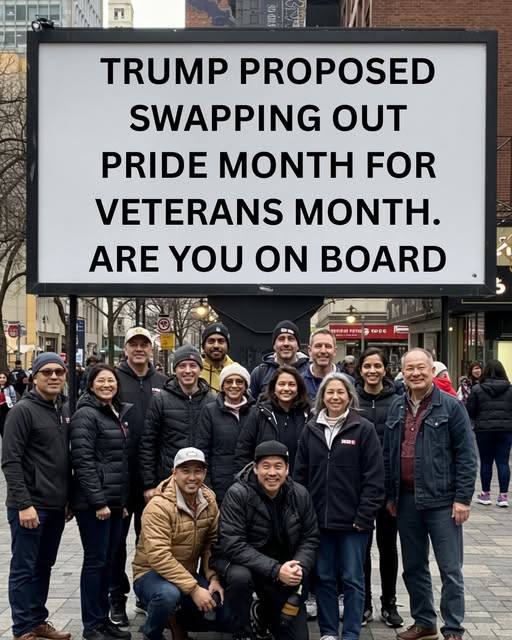
The question raised by former President Donald Trump’s proposal to swap out Pride Month for Veterans Month is one that has ignited strong opinions across the country. As a nation, we often find ourselves in intense debates about what we value, who we honor, and how we should express our gratitude toward various communities. While this idea has stirred up political discussions, at its core, it touches on something far deeper than a calendar change—it’s a conversation about recognition, respect, and the priorities we set as a society.
On one side, we have a strong argument for veterans, who have sacrificed so much in the name of freedom and service. On the other hand, Pride Month represents a significant milestone in the fight for LGBTQ+ rights and recognition, making it a deeply important celebration for many Americans. As we delve into this debate, it’s essential to explore both perspectives, reflect on the larger societal implications, and understand why this conversation is about more than just one month replacing another.
The Case for Veterans Month
There’s no denying the deep respect and admiration that the American public has for veterans. The sacrifices made by men and women who serve in the military are often life-altering. They go without time with family, personal freedoms, and many of the basic comforts that most people take for granted, all in service to the country. For many Americans, veterans’ contributions and sacrifices are a cornerstone of the nation’s history, and they deserve to be acknowledged and celebrated.
Veterans are often faced with difficult circumstances that don’t end when their service does. Many return home dealing with physical and mental health challenges that result from their time in combat or other stressful military environments. Despite this, veterans frequently don’t receive the level of recognition, care, or support that many believe they deserve.
The idea of dedicating a full month to veterans, much like Pride Month does for the LGBTQ+ community, could be seen as a much-needed acknowledgment of their sacrifices. A month dedicated to honoring veterans would not only give them the recognition they deserve but could also serve as a call to action for improving their post-service lives. It could be an opportunity for the country to come together and highlight the importance of supporting veterans through better healthcare, mental health services, employment opportunities, and overall care.
Moreover, for many people, veterans symbolize the ultimate form of selflessness, dedication, and patriotism. Veterans are often willing to risk their lives to protect the freedom and safety of others. A national month dedicated to honoring their service would serve as a reminder of their enduring value to the country.
The Significance of Pride Month
However, the conversation about Veterans Month cannot overlook the importance of Pride Month, a time when the LGBTQ+ community celebrates their identities, progress, and visibility. Pride Month, held annually in June, has become a symbol of unity, progress, and the ongoing fight for equality for LGBTQ+ individuals. For many people, this month represents a chance to celebrate their freedom to live authentically and openly.
In recent decades, the fight for LGBTQ+ rights has seen significant victories. From the legalization of same-sex marriage in 2015 to increased visibility of LGBTQ+ people in mainstream media, Pride Month is a symbol of how far the community has come. But it’s also a reminder of the continued struggles faced by LGBTQ+ individuals, such as discrimination, unequal treatment, and violence.
Pride Month is not just about celebration—it is about raising awareness, fostering inclusivity, and continuing to push for full equality for LGBTQ+ people in all areas of life. It’s a month where people from all walks of life come together to stand in solidarity with a community that has fought for acceptance and dignity. Replacing Pride Month with Veterans Month would be a significant shift in the cultural conversation, one that could diminish the visibility and progress of the LGBTQ+ community at a time when their fight for equality is ongoing.
The Debate: Recognizing Both Communities
The proposal to replace Pride Month with Veterans Month is not merely about “one month or the other.” It’s about recognizing which communities deserve to be celebrated and how we prioritize those celebrations. The debate raises critical questions: How do we honor the sacrifices of our veterans while ensuring that the LGBTQ+ community’s fight for equality and visibility remains at the forefront? Can we find a way to celebrate both, or do we risk overshadowing one group’s needs in favor of another?
The truth is that the conversation is more nuanced than simply replacing one observance with another. The idea that the nation must choose between honoring veterans and supporting LGBTQ+ rights reflects a broader cultural divide. It suggests that we cannot value both communities at the same time or that their importance is mutually exclusive, which is an oversimplification of the issue.
One potential solution could be finding ways to elevate the recognition of both groups, ensuring that veterans receive the respect and care they deserve while also continuing to celebrate the progress made by the LGBTQ+ community. Instead of replacing one celebration with another, the focus could shift to expanding our understanding of inclusivity and respect for all people.
For example, we could dedicate specific months to both veterans and LGBTQ+ individuals without undermining the significance of either group’s contributions. The LGBTQ+ community, like veterans, has fought tirelessly for recognition and acceptance, and their visibility needs to remain a central conversation in the United States. Veterans, too, deserve to be honored and celebrated in meaningful ways, particularly given the sacrifices they make for the nation.
The Challenge of Uniting Divided Communities
One of the most pressing concerns with this debate is the polarization that it represents. The idea of replacing one month of celebration with another is not just a matter of calendar dates—it speaks to a deeper issue of division. The proposal highlights a culture that is increasingly fragmented, where it often feels as though one group’s recognition must come at the expense of another’s. The challenge lies in finding ways to unite these divided communities, rather than pitting them against one another.
Rather than continuing the trend of division, it would be more productive for Americans to focus on what unites them: the shared values of respect, freedom, and dignity. Both veterans and the LGBTQ+ community contribute to these values in their own unique ways. Veterans protect the freedom and safety of the nation, while the LGBTQ+ community fights for the freedom to love, live, and be who they truly are.
There is room for both groups to be celebrated and recognized in meaningful ways, but only if the country begins to value empathy and understanding over divisiveness. Leaders must work toward creating spaces where these discussions can happen thoughtfully and respectfully, allowing for more collaboration and less conflict.
Moving Forward: A National Call for Unity
The proposal to replace Pride Month with Veterans Month is just one example of the growing cultural tensions in the United States. But it also serves as an opportunity to reassess how we honor the people who have shaped this country. The debate itself is a reminder that our nation is built on the contributions of many different groups—each deserving of recognition, respect, and celebration.
Rather than focusing on the months in the calendar, the question we should ask ourselves is: How do we build a society where every person, regardless of their background or identity, feels seen, valued, and supported? How do we ensure that our actions and policies reflect the ideals of empathy, kindness, and respect for all individuals?
The answer lies not in dividing us into groups, but in finding ways to elevate each community’s voice and contributions. Veterans deserve respect for their sacrifices, and the LGBTQ+ community deserves recognition for their ongoing fight for equality. In the end, it is not about replacing one month with another—it is about creating a world where everyone can feel proud, heard, and valued, not just on a designated day or month, but every single day of the year.

Conclusion: Prioritizing Empathy Over Division
As the debate surrounding the proposed swap between Pride Month and Veterans Month continues, it’s clear that the issue is far more than a simple change in the calendar. It is a question about what values we as a society prioritize, how we choose to honor different communities, and how we can navigate our differences without falling into division.
America is a country built on diverse contributions from many different groups, and every one of these groups deserves recognition. Rather than dividing the country into opposing camps, the conversation should focus on finding ways to honor all those who have shaped this nation. Let’s move beyond the need to pit one community against another and work toward a future where every person feels seen, valued, and celebrated for who they are and what they bring to the table.
By focusing on unity, empathy, and understanding, we can create a society that respects all people—whether they are veterans who have sacrificed so much or members of the LGBTQ+ community who are continuing the fight for equality. The conversation should not be about which month gets to shine—rather, it should be about how we can shine together, honoring everyone’s contributions, sacrifices, and the ongoing work to make this world a better, more inclusive place for all.