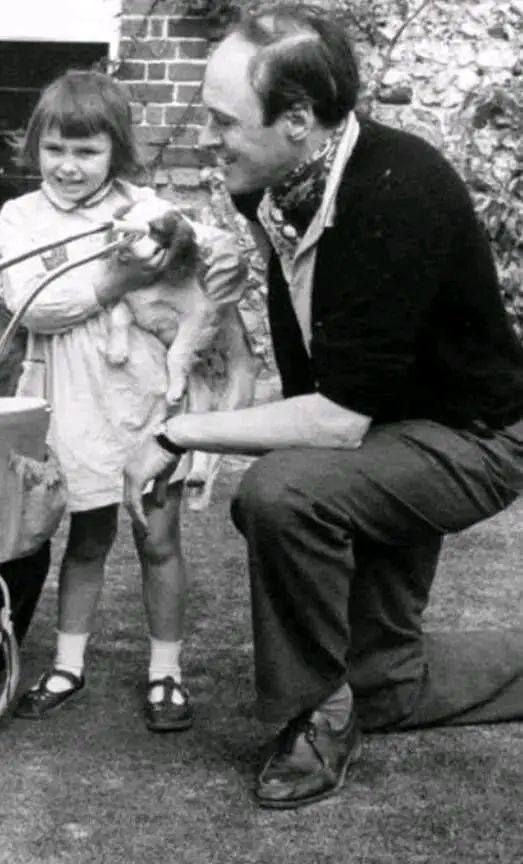

In 1986, Roald Dahl, the beloved author of children’s classics such as Charlie and the Chocolate Factory and Matilda, shared a deeply personal and heartbreaking account of the loss of his eldest daughter, Olivia, to a preventable illness. In an essay that would later serve as a powerful advocacy piece for childhood immunization, Dahl recounts the tragic events that unfolded after Olivia, at the age of seven, contracted measles, ultimately leading to her untimely death from a rare and deadly complication: measles encephalitis.
For any parent, the loss of a child is an indescribable pain, and Dahl’s story is both a testament to the depth of his grief and a call to action for others. Through the memory of his daughter and the devastating consequences of her illness, Dahl’s advocacy for childhood vaccinations became a passionate part of his legacy. His personal tragedy shifted the course of his career, from writing whimsical stories for children to using his platform to encourage parents to protect their children from vaccine-preventable diseases.
This essay reflects not only the importance of vaccines but also the personal toll of a preventable tragedy. As we look back on Dahl’s message, we see not just the grief of a father, but also a lasting plea for action, urging parents to make the choice to immunize their children—so that no other parent would have to endure the suffering he experienced.
Olivia’s Story: A Father’s Heartbreaking Loss
In 1962, when Olivia Dahl was seven years old, she caught measles, a disease that was common at the time but often not considered particularly dangerous. Measles was an illness that many parents in the mid-20th century dealt with regularly, and for many, it was just another childhood sickness that ran its course. Dahl, like many parents, didn’t initially feel alarmed when his daughter contracted the illness. He recalls reading to Olivia in bed, comforting her as she recovered and focusing on making her feel better.
Then, one day, after Olivia seemed to be improving, Dahl sat beside her, teaching her how to make animals out of colored pipe-cleaners. However, when it was her turn to craft one, Dahl noticed something troubling: Olivia’s fingers and mind weren’t cooperating. She was unable to complete the task, and when Dahl asked if she was feeling all right, Olivia replied, “I feel all sleepy.”
Within an hour, Olivia lost consciousness. In just twelve hours, she was dead.
The cause of her sudden decline was measles encephalitis, a rare and severe complication of the measles virus that causes swelling of the brain. Despite the best efforts of doctors, there was nothing they could do to save her. Olivia’s death was swift and cruel, taking her from her family without warning or explanation.
Dahl’s grief and anguish are palpable in his words. He recounts how he was left with nothing but memories and the pain of a life cut short. This was not the end that he expected for his bright and imaginative daughter, and the tragedy stayed with him throughout his life. In 1986, as he reflected on this devastating loss, he realized how preventable Olivia’s death was—and how important it was to raise awareness about measles and its potential complications.
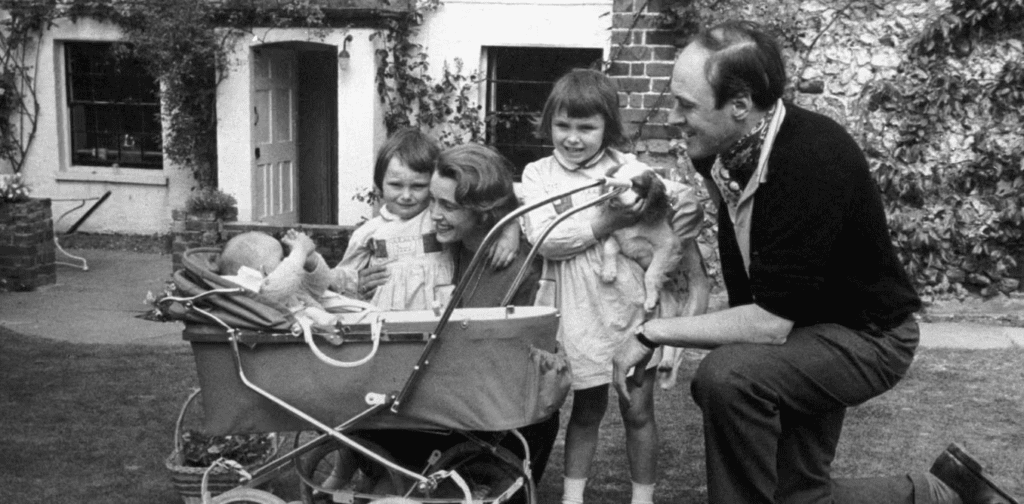
The Power of Immunization: A Lifelong Mission
Roald Dahl’s personal tragedy ignited a lifelong mission to advocate for childhood immunization. He recognized that the medical knowledge of his time, though advanced in many areas, had failed to prevent Olivia’s death. If only vaccines had been available, Dahl thought, his daughter could have been spared the devastating consequences of measles. This realization led him to champion the cause of immunization and encourage other parents to vaccinate their children.
In the same essay where he shared his heart-wrenching account of Olivia’s death, Dahl emphasized that the same devastating outcome could still occur today. Even with advances in medicine, if a child contracts measles and develops complications like encephalitis, there is still no effective treatment available to save them. However, there is now something that parents can do to prevent this tragedy from happening again: they can ensure their children are vaccinated against measles.
Dahl’s message was clear: vaccines save lives. He implored parents to take action and protect their children from the diseases that had once claimed his own daughter. He knew from personal experience the difference that a vaccine could make, and he worked tirelessly to spread the word, hoping that no other parent would have to go through the same heartbreak he had endured.
The Legacy of Olivia: A Dedication to Two Books
In the wake of Olivia’s death, Roald Dahl dedicated two of his most famous books to her memory. The first was James and the Giant Peach, which was published when Olivia was still alive. The second, The BFG, was dedicated to her memory after her tragic passing. In the opening pages of both books, readers can find Olivia’s name, a tribute to the daughter who inspired Dahl’s work and whose life became the driving force behind his advocacy for children’s health.
Dahl’s dedication of these books to Olivia was more than just a personal gesture; it was a lasting reminder of the impact that one child can have on the world. Olivia’s memory lives on not only in her father’s heart but also in the hearts of the millions of children and adults who have read Dahl’s books. By dedicating his work to Olivia, Dahl ensured that her legacy would live on in the stories he shared with the world.
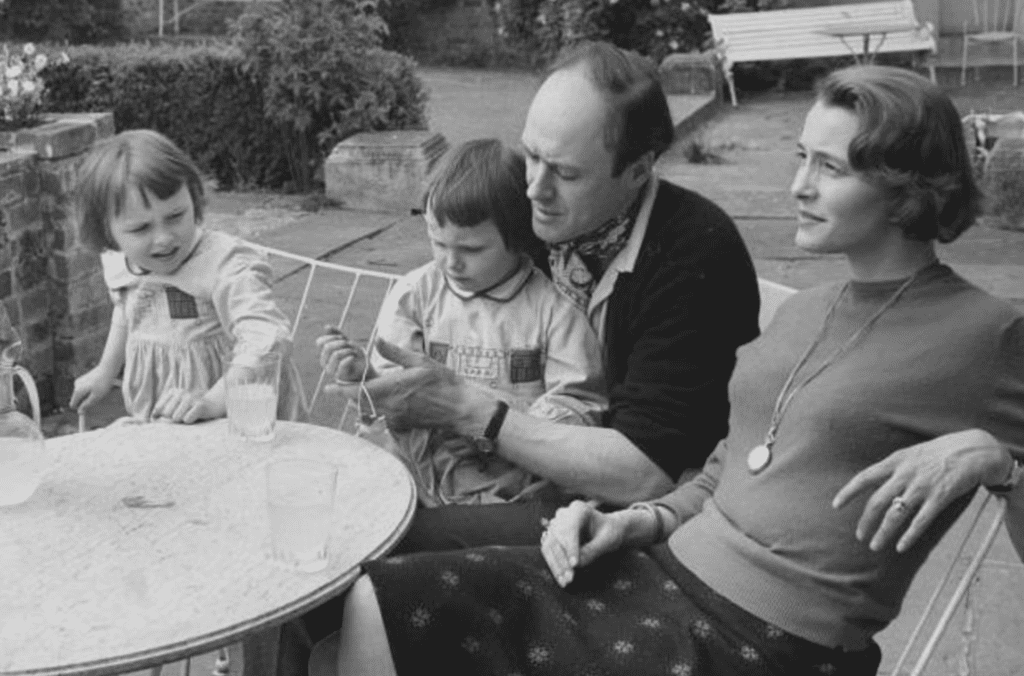
A Public Plea: The Importance of Vaccines
Dahl’s advocacy for vaccines didn’t end with his personal loss. He took every opportunity to speak out about the importance of immunizing children, using his fame and influence to encourage parents to make informed decisions about their children’s health. In his essay, Dahl explained that Olivia’s death had ultimately helped to save countless other children from the same fate. By raising awareness about the dangers of measles and the importance of vaccination, he hoped to reduce the number of preventable deaths and illnesses caused by the disease.
His message was simple: parents should demand that their children be immunized against measles. The vaccine was safe, effective, and the best way to ensure that children were protected from the deadly complications of the disease. Dahl’s words resonated with many parents, and his story became an emotional rallying cry for those who were on the fence about vaccinations.
In the decades following Dahl’s advocacy, the global community made significant strides in reducing the incidence of measles. Vaccination rates rose, and the number of measles-related deaths began to decline. Dahl’s contributions to this cause were invaluable, as his personal story gave a human face to the statistics and statistics gave weight to his message. His legacy of advocating for childhood immunization continues to inspire those who work in public health today.
The Continued Relevance of Dahl’s Message
Despite the progress made in the fight against measles, there are still challenges to be faced. In some parts of the world, vaccination rates have stalled or even declined, leading to outbreaks of preventable diseases like measles. There are still parents who choose not to vaccinate their children, often due to misinformation or fears about vaccine safety. Roald Dahl’s message remains as relevant today as it was in 1986, as it is crucial that we continue to advocate for vaccines and ensure that future generations are protected from the dangers of preventable diseases.
Dahl’s personal story reminds us that the stakes are not just theoretical—they are personal, and they are real. The death of one child can spark a movement that saves countless others, just as Olivia’s death prompted Dahl to speak out and share his experience with the world. By embracing the lessons learned from Dahl’s life and his advocacy, we can continue to make progress in the fight to eliminate vaccine-preventable diseases and protect the health of children around the world.
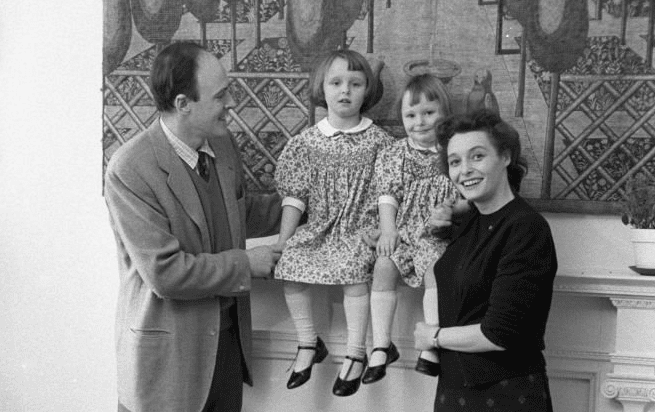
Conclusion: The Enduring Impact of Olivia’s Legacy
The tragic death of Roald Dahl’s daughter, Olivia, from measles serves as a stark reminder of the importance of childhood immunization. Through his grief and pain, Dahl turned his loss into a powerful advocacy campaign that has saved countless lives. By dedicating his books to Olivia and using his platform to speak out about the dangers of measles, Dahl left a lasting legacy that continues to influence public health initiatives today.
As we reflect on Dahl’s story, we are reminded that the fight for children’s health is ongoing, and that the best way to honor Olivia’s memory is to ensure that no other child suffers as she did. Through vaccination, we can prevent tragedies like Olivia’s death and ensure that children around the world are protected from the dangers of measles and other vaccine-preventable diseases. Roald Dahl’s story is a testament to the power of love, grief, and the determination to make a difference in the world.