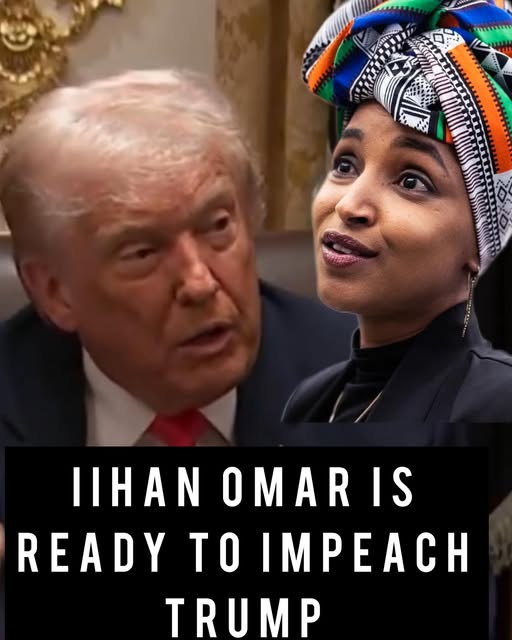

In a political climate increasingly defined by heated rhetoric, social media controversy, and polarized public opinion, another storm erupted this week as former President Donald Trump’s inflammatory comments about Representative Ilhan Omar drew national attention. Trump’s statements, in which he denigrated Omar and her friends, went beyond typical political debate and were widely seen as targeting an entire immigrant community. Omar immediately called for impeachment proceedings, framing the attacks not as political disagreement but as a threat to the safety and dignity of immigrants across the United States.
This article examines the context, the specific remarks made by Trump, the historical and political significance, the implications for immigrant communities, and the broader questions about accountability, free speech, and the boundaries of presidential conduct.
1. The Incident: What Was Said
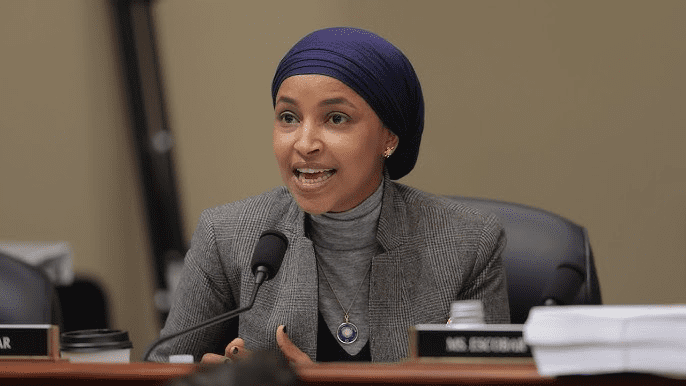
The controversy began when Trump issued a statement attacking Rep. Ilhan Omar, a Somali-American congresswoman representing Minnesota. He declared:
“Ilhan Omar is garbage. Her friends are garbage… They came from hell, and they complain and do nothing but b****. We don’t want them in our country. Let them go back to where they came from and fix it.”
The language used in this statement was particularly harsh and targeted both Omar personally and her community more broadly. Trump’s words were widely reported and shared across mainstream news outlets, social media, and partisan platforms, fueling debates about race, immigration, and the ethical boundaries of political discourse.
Omar’s immediate response was to call for impeachment, framing the remarks as a dangerous attack that put a target on the backs of every innocent immigrant living in the U.S. Her statement highlighted concerns about the potential for harassment, discrimination, and even violence directed at individuals simply because of their nationality, ethnicity, or religious background.
2. Historical Context: Presidential Rhetoric and Accountability
Trump’s comments were not an isolated incident in American political history. Presidents have long used rhetoric to influence public opinion, but the line between strong political language and incitement has been debated for decades. Scholars and legal experts often differentiate between:
- Political Criticism: Critique of policy or governance.
- Personal Attacks: Insults or disparagement targeting individuals.
- Community Targeting: Statements that could endanger entire groups or communities.
While political discourse often involves sharp criticism, the combination of personal denigration and perceived threat toward a community raised serious concerns. Analysts noted that labeling a community as undesirable or morally inferior historically correlates with increased discrimination, harassment, or even violence against its members.
3. Ilhan Omar’s Position: Protecting Immigrant Communities
Rep. Ilhan Omar, a first-term congresswoman during the controversy, has been a vocal advocate for immigrant rights, social justice, and refugee resettlement. Born in Somalia and raised in a refugee camp in Kenya, Omar has consistently highlighted the challenges faced by marginalized populations.
Her call for impeachment was grounded in three primary arguments:
- Safety of Immigrant Communities: Omar asserted that Trump’s remarks increased the risk of harassment or violent attacks on immigrants, creating a climate of fear.
- Abuse of Presidential Authority: By making incendiary statements, Omar argued, Trump was failing to uphold the dignity and safety required of someone who once held the nation’s highest office.
- Moral Accountability: Omar framed impeachment as a mechanism to signal that public figures, particularly former presidents, must be held accountable for rhetoric that endangers lives.
Omar’s position resonated with many advocates for immigrant rights, who argued that leadership entails responsibility for the broader societal consequences of words and actions.
4. Legal and Political Dimensions of Impeachment Calls
The call for impeachment, while politically powerful, is complex from a legal perspective. Impeachment is typically reserved for sitting officials; however, some legal scholars have debated whether former presidents can be subject to similar proceedings for actions undertaken while in office. While Omar’s call is largely symbolic, it raises broader questions:
- Should former officials be held accountable for rhetoric that endangers public safety?
- What precedent does this set for political discourse among former presidents?
- How do legal frameworks intersect with societal norms for acceptable speech?
Political analysts noted that while actual impeachment proceedings may be unlikely, the call itself highlights a critical moment in U.S. politics, signaling widespread concern over accountability for inflammatory rhetoric.
5. Public Reaction: Polarization and Media Response
The national response to Trump’s comments was immediate and divided:
Supporters of Trump
Some supporters defended his remarks as political hyperbole, asserting that he was exercising free speech and critiquing a politician he disagreed with. They argued that impeachment calls were politically motivated and designed to generate headlines rather than address actual legal violations.
Critics of Trump
Others, including Democratic lawmakers, civil rights organizations, and immigrant advocacy groups, condemned the language as dangerous and unprecedented. They argued that labeling individuals and their communities as “garbage” not only disrespects basic human dignity but also fuels xenophobia and discrimination.
Media Coverage
Media outlets provided extensive coverage, analyzing both the content of the statements and their broader implications. Some networks emphasized the inflammatory language, while others focused on the potential political ramifications leading into upcoming elections.
6. Implications for Immigrant Communities
Beyond political debate, the incident had real-world implications for immigrant communities across the country:
- Emotional Impact: Many immigrants reported feeling fear, anxiety, and vulnerability in the wake of the remarks.
- Safety Concerns: Advocacy groups highlighted the potential for increased harassment or hate crimes against Somali-Americans and other immigrant populations.
- Community Solidarity: In response, immigrant advocacy groups organized workshops, discussions, and community events to provide support and resilience strategies.
- Public Awareness: The controversy brought national attention to the ongoing challenges faced by immigrant populations, including prejudice, stereotyping, and systemic bias.
7. Political Strategy and Timing
Analysts also noted that the timing of Trump’s remarks may have been strategic:
- Mobilizing the Base: Using strong, provocative language often energizes a political base.
- Distracting Opponents: Controversial statements can dominate news cycles, diverting attention from other political issues.
- Framing the Narrative: By targeting Omar specifically, Trump may have sought to reframe debates about immigration and national security in terms favorable to his messaging.
At the same time, this strategy carries risks, as it can galvanize opposition and spark legal, social, and political consequences.
8. Ethical and Societal Considerations
The incident also sparked broader debates on ethics and social responsibility:
- Ethics of Political Speech: While free speech is constitutionally protected, public figures wield immense influence, and their words can have tangible consequences.
- Balancing Criticism and Safety: Public discourse must navigate the fine line between critique of policy or politicians and language that endangers lives.
- Societal Norms: The remarks prompted discussions about what is considered acceptable rhetoric, particularly regarding race, nationality, and immigrant status.
Many ethicists argued that leaders, past or present, bear a moral responsibility to avoid statements that may incite harm or discrimination.
9. Historical Precedents and Comparisons
History provides examples of rhetoric influencing public perception and community safety:
- Political leaders worldwide have faced scrutiny when statements about ethnic, religious, or immigrant populations have contributed to social unrest.
- In the U.S., inflammatory language historically correlates with spikes in hate crimes or social tension.
- Comparisons were made to previous administrations where controversial rhetoric led to both policy backlash and community mobilization.
These precedents underscore why Omar and her supporters viewed the situation as more than a verbal attack—it was a potential threat to societal harmony.
10. Moving Forward: Lessons for Public Discourse
The controversy illustrates key lessons for American society:
1. Leadership Responsibility
Words from public figures carry weight, affecting not only national politics but also community safety and public perception.
2. The Importance of Advocacy
Omar’s response highlights how elected officials can protect vulnerable populations, advocating for both safety and dignity in public life.
3. Community Engagement
Grassroots organizations, civil rights groups, and immigrant communities play a vital role in providing support and countering harmful narratives.
4. Political Awareness
Citizens must critically analyze rhetoric, separating personal bias from factual implications while remaining aware of potential societal consequences.
5. Dialogue on Ethics
The incident encourages ongoing dialogue about free speech, morality, and the ethical limits of political communication.
Conclusion: Beyond Politics—A Matter of Safety and Respect
While much of the national conversation focused on politics, party lines, and media framing, the heart of the matter remains clear: words matter. For Ilhan Omar and the communities she represents, the stakes were tangible. The attacks were not abstract; they carried implications for the safety, dignity, and inclusion of immigrant populations in the United States.
Trump’s rhetoric, Omar’s call for impeachment, and the resulting public debate illuminate broader tensions in American society: free speech versus responsible speech, political strategy versus ethical leadership, and personal attacks versus systemic consequences.
As the nation reflects on the incident, one thing is undeniable: the conversation about leadership, accountability, and respect for marginalized communities will continue. And this moment, while controversial, may serve as a catalyst for deeper understanding, policy discussion, and community engagement.
In the end, the story is not only about impeachment or political theatrics—it’s about the fundamental values of civility, safety, and respect in a diverse society. How Americans respond, both politically and socially, may shape public discourse for years to come.