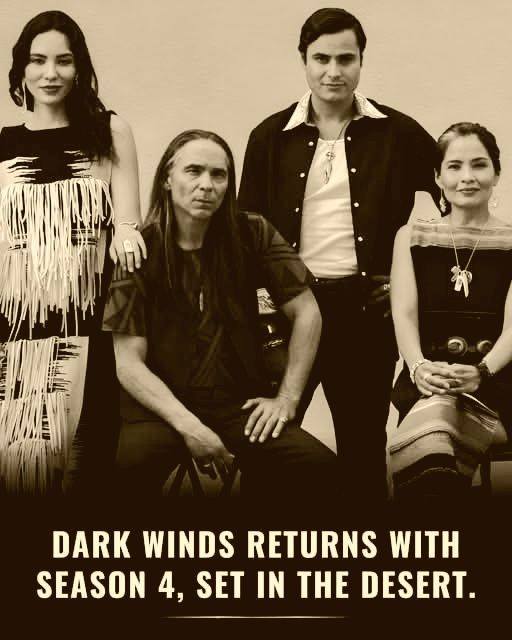

Dark Winds has returned for its highly anticipated fourth season, taking viewers on a powerful journey into the heart of the Navajo Nation. This season picks up with Joe Leaphorn and Jim Chee—two men bound by duty, tradition, and inner resolve—as they embark on investigations that test not only their skills as lawmen, but their hearts, beliefs, and courage. Season 4 is poised to be one of the most compelling yet, continuing its legacy of blending gripping crime drama with deeply human themes of personal growth, tradition, and identity. Against the stunning backdrop of the desert, Dark Winds has found its place as a show that truly listens to its characters and their stories.
The vast desert landscape, rich in beauty yet full of danger, serves as more than just a backdrop. It becomes a character in its own right—reflecting the harshness, resilience, and enduring spirit of the people living in it. The desert not only provides the setting for the mysteries but also mirrors the internal struggles of Joe and Chee, who must confront both external threats and their own emotional conflicts. In this season, the mysteries deepen, the stakes get higher, and the personal stakes become even more emotionally charged.
With breathtaking cinematography, thoughtful storytelling, and characters that carry the weight of their history, Dark Winds Season 4 is a triumph of storytelling. Whether you’re a fan from the beginning or new to the series, this season continues to be a rare and meaningful show—one that listens as much as it reveals.
1. The Desert as a Character: The Role of the Landscape

In Dark Winds, the desert is not just a setting—it’s an essential character that shapes the narrative. Season 4 brings this setting to life, as the vast desert stretches endlessly, mirroring the characters’ internal struggles and reflecting the beauty and danger of the world they inhabit. The landscape offers a stark contrast to the lives of the protagonists, whose personal and professional challenges unfold against this harsh, unforgiving backdrop.
The cinematography in Season 4 is as sweeping and awe-inspiring as ever. The camera lingers on the vastness of the desert, from towering mesas to endless roads that stretch beyond the horizon. There is a constant interplay between the desolation of the landscape and the emotional depth of the characters. In many ways, the desert is as much a part of the story as Joe Leaphorn or Jim Chee. Its beauty is haunting, its silence overwhelming, and its vastness serves as both a source of reflection and isolation for the characters.
The desert becomes a reflection of their emotional states—just as they navigate through the rugged terrain, they also must navigate their emotional journeys. For Joe and Chee, the desert is a place of both challenge and renewal, a space where they confront their pasts, question their identities, and face their inner demons.
2. Joe Leaphorn: A Man Between Two Worlds
Joe Leaphorn, the stalwart Navajo detective, remains at the heart of Dark Winds. Throughout the series, Leaphorn’s character has been marked by his stoic demeanor, unyielding dedication to his work, and his sense of duty to both his people and his profession. In Season 4, however, we see Leaphorn struggle more than ever with his identity and the tension between tradition and the law.
As a man of both the modern world and traditional Navajo culture, Leaphorn’s internal conflict is palpable. His role as a lawman often puts him at odds with his heritage, as he must balance his duties with his deep connection to his Navajo beliefs. This season, Leaphorn’s struggles are heightened as the cases he investigates become increasingly complex, drawing him deeper into the moral grey areas of justice and tradition.
Joe’s journey in this season is as much about reconciliation as it is about justice. His investigation into a series of dangerous and mysterious crimes forces him to confront not only the darker aspects of human nature but also the unresolved questions about his own identity and his place in the world. The challenges of law enforcement become intertwined with his struggles to stay connected to the Navajo traditions that have always guided him.
Throughout the season, we see a Joe Leaphorn who is questioning what it means to serve justice in a world that often seems at odds with his values. His journey is an exploration of personal growth, and as the season unfolds, we witness him grappling with his legacy, his duty, and the cultural values that have always shaped him.
3. Jim Chee: The Idealist’s Struggle
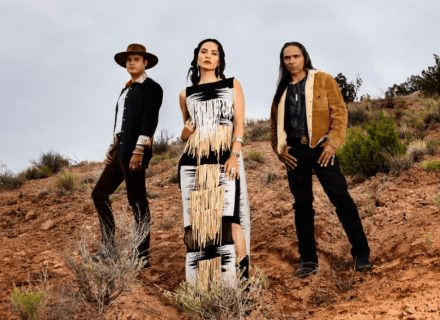
Jim Chee, Leaphorn’s partner, brings a sense of idealism to the investigation. As a man who once served as a soldier, Chee holds a deep sense of duty, but unlike Leaphorn, he hasn’t yet become disillusioned by the world around him. However, Season 4 forces Chee to confront the brutal realities of the world, and the series takes an even deeper look at his internal transformation.
Chee’s sense of morality and justice is put to the test in ways that challenge his belief system. His unwavering belief in the greater good begins to falter as he faces increasingly difficult decisions. The cases they investigate in this season are not just about solving crimes—they’re about the nature of justice itself and the price of doing what is right. As Chee grapples with the complexity of the cases and the emotional toll they take on him, we see him begin to question his ideals and whether they are enough to carry him through the darkness of the desert.
In many ways, Chee’s journey this season is one of growth. He struggles with the weight of his decisions and the emotional cost of his work. But in the process, he also comes to understand more about himself and the world around him. His development over the course of the season highlights the challenges of remaining an idealist in a world full of moral ambiguity.
4. The Mysteries: Layered, Dangerous, and Relentless
Season 4 of Dark Winds brings a new series of mysteries that are layered and dangerous, demanding all the skills that Joe and Chee have developed over the years. But the series has always excelled at weaving personal struggles into the mystery itself, and this season is no different. The cases they investigate are often deeply entwined with their own lives and the choices they’ve made.
The adversaries they face this season are relentless and far-reaching, and each mystery presents challenges that are not easily overcome. What makes these investigations so compelling is the way they push Joe and Chee to their limits. Each case is a puzzle, but it is also a test of their beliefs, values, and their understanding of the world around them.
These mysteries are not just about solving crimes—they are about confronting the harsh realities of life, the moral dilemmas that come with being a lawman, and the personal demons that each character carries. The stakes in Season 4 are higher than ever, and the journey is as emotionally charged as it is suspenseful.
5. Indigenous Perspectives: Honoring the Past and Facing the Future
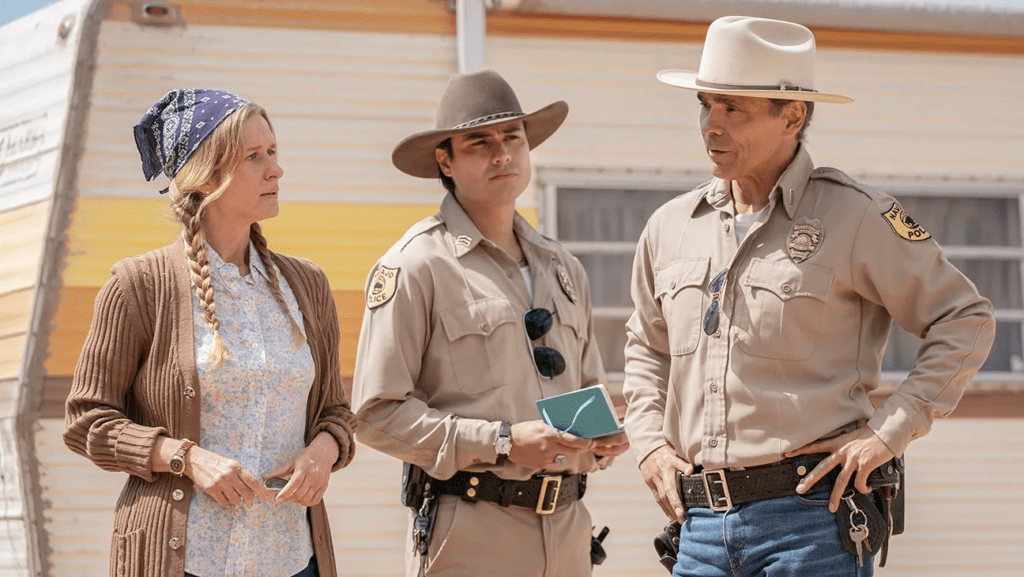
One of the standout elements of Dark Winds has always been its commitment to portraying Indigenous culture and perspectives. In Season 4, the show continues this tradition, using its platform to highlight the experiences and struggles of the Navajo people. The show doesn’t simply depict the culture—it gives voice to the complexities and nuances that define it.
This season, Dark Winds delves deeper into the cultural aspects of the Navajo Nation. It examines the intersection of modernity and tradition, as Joe and Chee navigate a world that is rapidly changing while still holding onto the values and beliefs that have been passed down through generations. The series presents a deeply respectful and authentic portrayal of Indigenous traditions, highlighting their importance in shaping not only the characters’ lives but the narrative as a whole.
The exploration of these themes is one of the reasons why Dark Winds resonates so strongly with audiences. The series doesn’t just entertain—it educates and raises awareness about the complexities of Indigenous life and the ongoing challenges faced by Native American communities. By intertwining these themes with its gripping mysteries, the show creates a space for meaningful storytelling that is both entertaining and enlightening.
6. Character Depth: The Heart of the Show
While Dark Winds is known for its suspenseful plots and atmospheric setting, it is the depth of its characters that truly sets it apart. In Season 4, we see Joe and Chee as fully realized individuals, each with their own hopes, fears, and struggles. The show takes the time to explore their pasts and presents them as fully dimensional people, not just lawmen or heroes.
Joe Leaphorn, in particular, is a character marked by his contradictions. He is strong, steadfast, and resolute, but he is also vulnerable and burdened by his past. Season 4 dives into his emotional landscape, showing the toll that his job and the cases he handles take on him. We see Joe in moments of deep introspection, questioning his choices and the path he’s taken.
Jim Chee, on the other hand, provides a contrast. His idealism is a refreshing presence, but this season challenges him in ways that force him to re-evaluate his place in the world. As Chee faces increasingly difficult choices, we see his character evolve. The show presents him as a man who is both deeply committed to his ideals and conflicted by the harsh realities of the cases he encounters.
7. Cinematography: A Visual Masterpiece

The cinematography in Dark Winds Season 4 continues to impress with its stunning shots of the desert. Every frame feels carefully composed, with the vast, unforgiving landscape serving as both a literal and metaphorical backdrop to the emotional journeys of the characters.
The series often uses the desert itself to highlight the internal struggles of Joe and Chee. The landscape is often barren, expansive, and isolating, reflecting the emotional isolation that both characters feel. The interplay between light and shadow, the dust kicked up by the wind, and the endless horizons all serve to deepen the emotional impact of the story. In many ways, the desert becomes a character itself—reflecting both the beauty and the danger of the world Joe and Chee inhabit.
8. Soundtrack and Music: Enhancing the Atmosphere
Music is a vital component of Dark Winds, helping to set the tone and enhance the emotional weight of each scene. The soundtrack in Season 4 continues to blend traditional Native American instruments with modern sounds, creating a hauntingly beautiful score that complements the desert landscape and the character-driven narrative.
The music is sparse at times, allowing the natural sounds of the desert to fill the space. At other moments, the score swells, amplifying the emotional intensity of a scene. The combination of sound and silence is used to draw the viewer into the world of Dark Winds, making every moment feel both immediate and timeless.
9. Legacy and Tradition: Themes of Connection and Identity
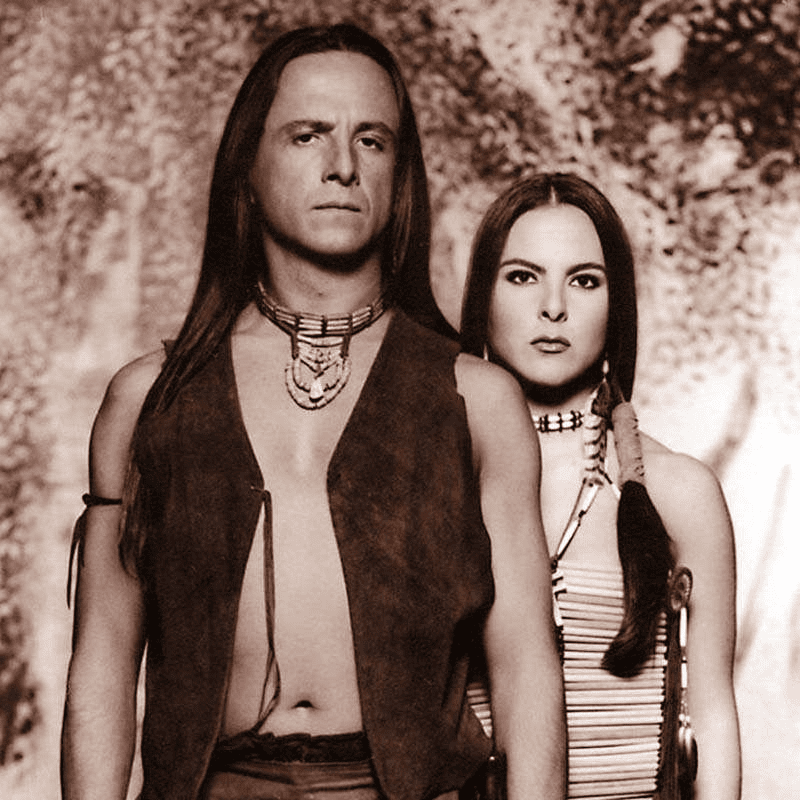
Season 4 of Dark Winds is a meditation on legacy, tradition, and identity. The series examines how the past shapes the present and how the characters’ connections to their cultural heritage influence the choices they make. The season’s narrative explores the tension between honoring tradition and embracing change, a theme that resonates deeply within the context of the Navajo Nation.
Joe and Chee’s individual journeys are reflections of larger cultural questions. How does one balance the weight of tradition with the demands of modern life? What does it mean to uphold one’s heritage in a world that is constantly evolving? These questions are at the heart of Dark Winds, and Season 4 tackles them head-on, exploring the complexities of maintaining cultural identity while navigating a changing world.
10. Conclusion: A Triumph of Storytelling
In Dark Winds Season 4, the series takes everything its fans have come to love and pushes it to new heights. The characters are deeper, the mysteries are more intricate, and the exploration of Navajo culture is richer than ever. This season is a testament to the power of storytelling—both in its ability to entertain and its capacity to illuminate important cultural conversations.
As the series continues to evolve, Dark Winds remains one of the most unique and important shows on television. Whether you’re drawn to its suspenseful mysteries, its complex characters, or its rich cultural exploration, Season 4 delivers in every way. This season is a powerful reminder that great television doesn’t just tell a story—it asks us to reflect on who we are, where we come from, and what it means to truly be human.