
A Life Marked by Trauma and Redemption
In the cold wilderness of Alaska, Jason’s life took a path that was both unexpected and controversial, positioning him as a symbol of vigilant justice. Traumatized by a childhood filled with neglect, abuse, and pain, Jason used the state’s offender registry to track down those he believed had hurt children. Driven by a deep sense of injustice and a desire to protect the vulnerable, he embarked on a mission to shield others from the same horrors he had experienced as a child. The road he chose would lead him to prison, but it also carved out a complex and thought-provoking story about the limits of justice, sacrifice, and the consequences of vigilantism.
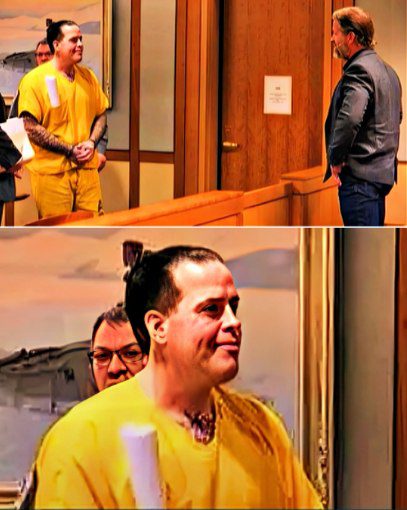
Jason’s journey is not just about crime; it’s about a man who had suffered greatly and sought redemption by protecting others. His story is filled with moral dilemmas, as he sacrificed his own freedom to do what he thought was necessary to keep children safe from harm. In the courtrooms, as he faced a 23-year prison sentence, Jason smiled at his brother—a silent acknowledgment that despite the price he had paid, he believed he had done the right thing. This is the story of Jason, a man whose actions force us to question the lines between right and wrong.
Part 1: A Troubling Childhood
Jason’s childhood was anything but ordinary. Born into a life filled with turmoil, neglect, and trauma, he grew up in an environment that many would consider nightmarish. The physical and emotional abuse he suffered was unrelenting, and it left scars that would stay with him for the rest of his life. Jason was raised in an environment that failed to protect him and his brother, leaving them both deeply wounded.

Their mother, a product of her own broken home, was unable to provide the stability and care they needed. They learned to fend for themselves at an early age, relying on each other for comfort and survival. Jason’s brother, who shared similar experiences, became his closest companion and confidant. Together, they navigated the dark corridors of their childhood, constantly seeking safety in a world that seemed intent on harming them.
As Jason grew older, he became increasingly aware of the dysfunction around him. While other children played and attended school, Jason and his brother were left to their own devices, learning the harsh realities of life. The neglect they suffered would leave a lasting impact on their emotional development, and the anger and resentment that festered in Jason’s heart began to grow. He found himself developing a fierce need to protect the innocent, especially children, from the kind of pain he had experienced. The feeling of powerlessness, the inability to stop his own suffering, drove Jason to become more determined to right the wrongs that had been done to him and his brother.
Part 2: The Emergence of Vigilantism
As Jason entered adulthood, he became increasingly disillusioned with the justice system. He saw a broken system that failed to punish the offenders who had caused irreparable harm to children, people who were often allowed to slip through the cracks. In his mind, the system had failed him, and more importantly, it had failed countless innocent children who would be left vulnerable to predators.
Fueled by his childhood trauma, Jason turned to the state’s offender list, using it as a tool to track down individuals who had been convicted of child abuse. It was not enough for Jason to simply report these offenders to the authorities; he felt that the system wasn’t doing enough to keep them in check. Jason’s actions were not random; they were calculated. He became obsessed with identifying those he deemed dangerous and confronting them head-on.
Armed with only a hammer and a deep sense of righteous anger, Jason broke into the homes of these offenders. He saw it as his duty to stop them from causing further harm, believing that he was doing what the law could not. His tactics were violent, but Jason believed that by confronting these offenders in their homes, he was preventing future victims. It was a twisted form of justice in his mind—a way to take back control and protect others, even if it meant sacrificing his own life and freedom.
The situation escalated when Jason encountered an offender who fought back, leading to a violent confrontation. Jason’s rage consumed him, and the encounter ended with the offender being injured. It was then that Jason realized the full extent of the consequences of his actions. Despite his belief that he was acting in the name of justice, the reality of his violence became apparent. He was no longer simply a protector; he had crossed a line.
Part 3: The Crime That Changed Everything
Jason’s decision to take justice into his own hands led to his arrest. He was charged with breaking and entering, assault, and even attempted murder. The news of his actions quickly spread, and people were divided in their opinions. Some saw Jason as a hero—an individual who had risked everything to protect children from harm. Others saw him as a criminal, a man who had taken the law into his own hands in a dangerous and reckless way.
As Jason sat in a holding cell awaiting his trial, he began to reflect on the actions that had brought him here. Was he really a hero? Or had he become a product of his own pain and anger? He realized that, while his intentions had been noble, his methods were flawed. He had tried to right the wrongs of his own childhood, but in doing so, he had created more harm than good.
Yet, despite the pain and regret, Jason remained steadfast in his belief that he had done what was necessary. He had tried to stop future abuse, to ensure that no other child would suffer as he and his brother had. His actions may have been misguided, but the conviction behind them was genuine.
The trial was a tense and emotional affair. Jason’s fate hung in the balance, and the courtroom was filled with people who had strong opinions about his actions. As the judge prepared to deliver the verdict, Jason smiled at his brother. The moment was poignant—a silent acknowledgment that despite everything, Jason believed he had done the right thing. Even if it meant losing his freedom for 23 years, Jason knew that he had tried to protect the innocent.
The smile was not one of joy but of acceptance. Jason had sacrificed his life, his future, and his freedom to protect others. His brother, who had been there for him throughout their troubled childhood, understood the pain and sacrifice that Jason had endured. In that moment, Jason knew that his actions, though extreme, were motivated by love and a desire to make the world a better place.
Jason was sentenced to 23 years in prison. As he stood before the judge, he knew that the consequences of his actions were inevitable. But in his heart, he also knew that he had done what he believed was right. His life would never be the same, but his legacy would live on, a reminder of the deep moral questions surrounding vigilantism and justice.
Part 5: Jason’s Legacy: A Life of Sacrifice and Courage
Jason’s story is a powerful reminder of the complexities of human nature. He was not a perfect man, nor was he a saint. He was a man who had suffered deeply and had sought to protect others from the same pain. His actions were extreme, but they were driven by love, anger, and a desperate desire to prevent further harm. Jason’s legacy is one of sacrifice. He believed that by taking action, by confronting those who had hurt children, he was doing the right thing.
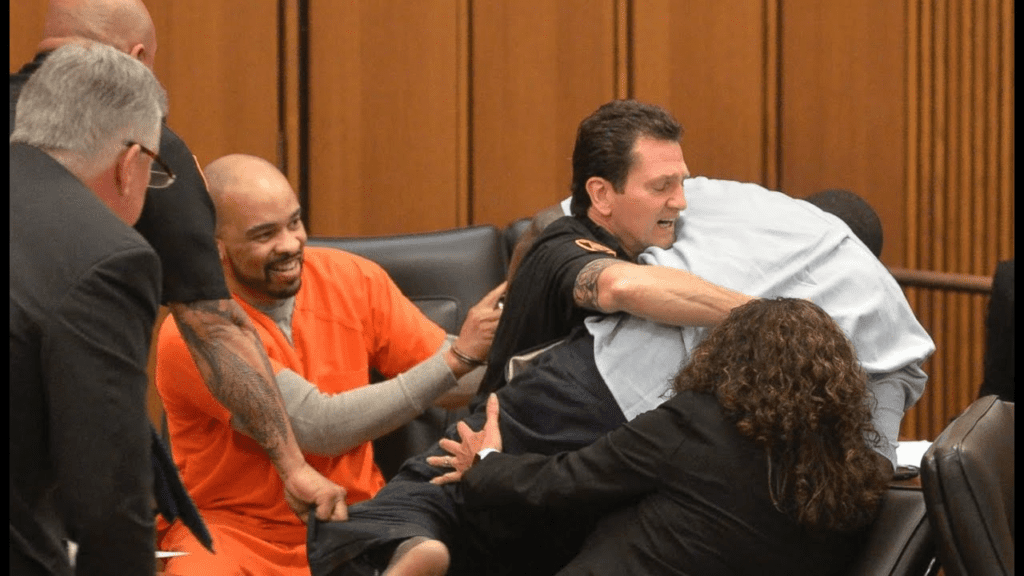
Yet, his actions also highlight the dangers of vigilante justice. While Jason’s heart was in the right place, his methods were flawed. He became the very thing he despised—a man who took the law into his own hands, regardless of the consequences. His story forces us to confront the moral dilemma of when, if ever, it is right to take justice into our own hands.
Jason’s legacy is not one of criminality, but of courage. His story speaks to the power of trauma and how it can shape a person’s actions. It also speaks to the capacity for sacrifice and redemption. Jason may have lost his freedom, but he believed that he had saved others from the same fate he had suffered.
Conclusion: Remembering Jason’s Courageous Stand
As Jason sits in prison, serving his sentence, his story continues to provoke thought and discussion. Was he right to take the law into his own hands? Should we view him as a hero or a criminal? Jason’s legacy is one of sacrifice and love. His actions may have been extreme, but they were motivated by a desire to protect the vulnerable and prevent future harm.
Jason’s story challenges our understanding of justice. It forces us to ask difficult questions about the morality of vigilantism and the limits of the law. While we may never fully agree on his actions, we can all agree that his story is one of courage, sacrifice, and the complicated path that those who have suffered must sometimes walk.
Call to Action: Join the Conversation on Vigilante Justice
What do you think about Jason’s actions? Was he right to take matters into his own hands, or did he cross a line that should never have been crossed? Share your thoughts and join the conversation below. Your opinion matters in this complex discussion on justice and morality.