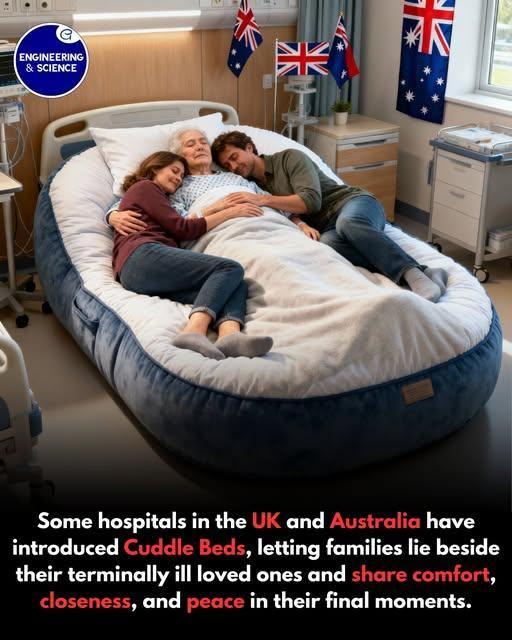

When a loved one is nearing the end of their life, the physical and emotional toll on both the patient and their family can be overwhelming. In these moments, comfort, emotional closeness, and peace become the most cherished commodities. Hospitals and hospices in the UK and Australia are pioneering a beautiful and compassionate solution to address these needs: Cuddle Beds. These specially designed, wider beds enable family members to lie beside their terminally ill loved ones, offering a space for physical and emotional connection during their final moments.
The idea of a Cuddle Bed may seem simple, but it has had a profound impact on those who experience it. It’s an innovation that brings families closer, offering them the rare opportunity to share love and presence at a time when words fall short. Through this compassionate design, Cuddle Beds provide patients with the comfort of being loved and held, helping to create a peaceful atmosphere as they transition from this life to the next.
In this blog post, we will explore the concept behind Cuddle Beds, their implementation in hospitals and hospices, the role of community support in bringing this idea to life, and the emotional impact it has on families.

Section 1: The Concept of Cuddle Beds
A Wider Bed for Closer Connection
Cuddle Beds were designed with one goal in mind: to create a space where families could stay close to their terminally ill loved ones, providing comfort and emotional support during their final moments. Unlike traditional hospital beds that often have rigid metal frames and a clinical feel, Cuddle Beds are oversized, soft, and designed to allow for physical closeness. Their wider surface area can accommodate two or more people lying side by side, offering patients the chance to be embraced in love and warmth.
The beds feature features such as ample space, extra padding, and soft covers to create a home-like atmosphere. This contrast to the usual sterile hospital setting is crucial in offering emotional relief. For patients and their families, the feeling of safety, love, and comfort is paramount.
Not only do these beds cater to physical closeness, but they also ensure that the nurses and medical staff still have enough room to provide necessary care. In the past, families might have been forced to sit in chairs or stand at a distance, but Cuddle Beds allow for families to be physically present while medical staff can do their work. It’s a perfect balance of intimacy and care—offering families a space to be close, while ensuring that their loved ones’ medical needs are met.

Section 2: Hospices and Hospitals Leading the Way
Cuddle Beds in the UK and Australia
The UK and Australia have been the leading countries in adopting Cuddle Beds, and some of the most prominent hospices and hospitals in these regions have already implemented them into their care systems. Hospices like St Wilfrid’s and North Devon Hospice in the UK, and hospitals in Queensland and Western Australia, have embraced the concept as part of their end-of-life care.
These institutions have recognized the deep emotional benefits of Cuddle Beds. Staff at St Wilfrid’s Hospice, for instance, have reported that these beds make a significant difference in how families experience their time with their loved ones. As they share the final moments with patients, the opportunity to physically cuddle and be close without barriers provides comfort that words cannot express. The beds offer patients not only a peaceful environment but also emotional relief in knowing their families are close by.
It’s not just the patients who benefit. Families have praised the beds for making what is usually a deeply painful time more peaceful. The beds provide a sense of security for family members who may have been struggling with the sadness of impending loss. They allow families to be fully present without the constraints of hospital beds that often keep them at arm’s length.
Case Study: A Family’s Experience at North Devon Hospice
One poignant example comes from a family who shared their experience at North Devon Hospice. They explained that when their loved one was nearing the end of their life, being able to lie with them on the Cuddle Bed made all the difference. “We didn’t just sit at the edge of the bed. We could hold her, talk to her, and share memories as if she were still part of the family. It made her passing a little easier to bear, knowing she wasn’t alone.”
This family’s story is one of many, showing that Cuddle Beds do more than just provide comfort—they create a space for meaningful final moments, allowing families to say their goodbyes in a way that truly honors their relationship with the patient.
Section 3: The Role of Community and Charity
How Cuddle Beds Are Funded and the Role of Charity
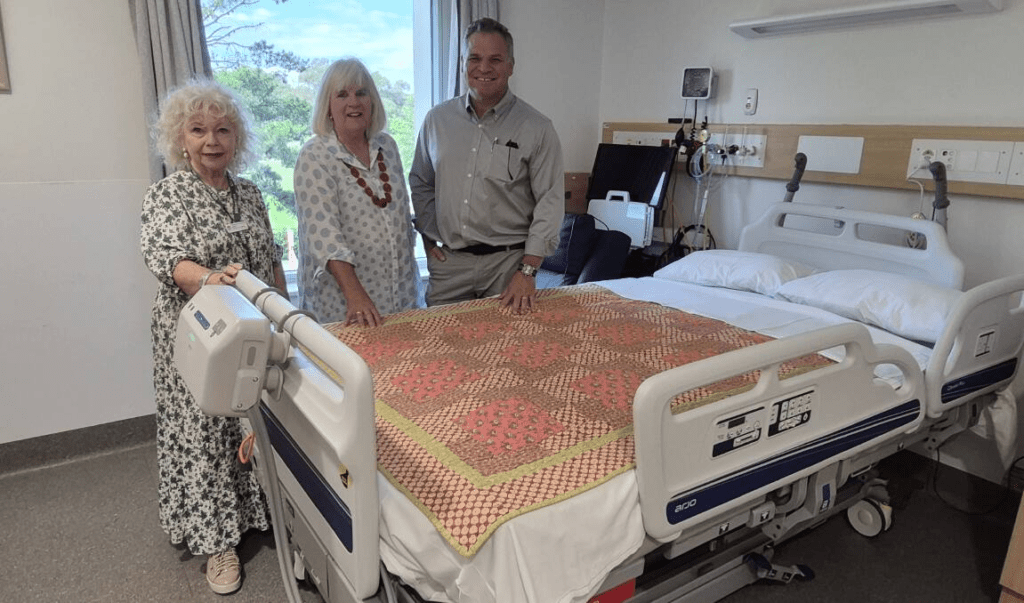
What makes the introduction of Cuddle Beds even more remarkable is that many of them are funded through community support and charity foundations. This is a beautiful testament to the power of people coming together for a good cause. These beds are often donated or subsidized by local charities, foundations, and compassionate individuals who understand the value of providing a comfortable and intimate space for families.
Charitable organizations often partner with hospices and hospitals to raise the funds necessary to provide Cuddle Beds. These donations not only cover the costs of the beds but also help ensure that families in need have access to this compassionate care. The Grief Support Fund in the UK, for example, has been instrumental in funding many of the Cuddle Beds in their region. Through their campaigns and partnerships with local businesses, they have been able to provide families with an opportunity for meaningful final moments with their loved ones.
This community effort is a beautiful reminder that love and compassion can be shared through innovative solutions. It shows how communities can come together to provide comfort and support at the most crucial moments. The willingness to donate and provide these beds highlights the deep care and humanity that exists within society, especially for those in their final moments of life.

Section 4: Emotional Impact on Families
Creating Peaceful Goodbyes
For many families, the idea of being able to lie beside their loved one in their final moments is a deeply emotional and powerful experience. In traditional hospital settings, families often find themselves sitting at the edge of the bed or standing, unable to physically be as close as they would like. This distance can create a feeling of separation during a time when connection and presence are most needed.
Cuddle Beds help bridge that emotional gap. Families describe the sense of peace they feel when they can hold their loved ones, share memories, and even fall asleep beside them. One family member from Queensland shared, “It was the last night with my mother. She had cancer, and we knew the end was near. I was able to climb into bed beside her, hold her hand, and just be with her. It felt like we had one last moment together where we could just be—no hospital machines, no cold walls, just us.”
These beds also provide patients with an immense sense of comfort. Being able to lie next to a loved one provides a final sense of security and warmth, knowing that they are loved and held until the end. Families often report feeling a sense of peace in knowing they can comfort their loved ones as they pass on.
A Positive Change in Hospice Care
The introduction of Cuddle Beds has been seen as a positive shift in the hospice and hospital care model. It moves away from the traditional, clinical, and sometimes cold atmosphere to one of warmth and intimacy. These beds symbolize the human element of healthcare—reminding both patients and families that in the most challenging moments, love and presence can make all the difference.
The Role of Physical Presence in the Dying Process
While much of modern medicine focuses on physical treatment, the emotional aspects of death are just as vital. When a person is nearing the end of their life, the experience is not just about the physical decline, but about the emotional journey of saying goodbye. One of the most profound needs for patients and their families in these final moments is the need for physical presence — the simple act of holding hands, lying next to one another, and sharing a moment of closeness.
Cuddle Beds offer an intimate, safe space for this. They enable family members to stay physically close to their loved ones, offering emotional and physical comfort. The power of touch and presence cannot be overstated. Studies have shown that simply lying next to someone can lower stress hormones and increase feelings of security, both for the patient and their family members.
For the patient, being surrounded by their loved ones during their final moments can reduce anxiety and provide a sense of peace, knowing that they are not alone. The act of holding a loved one’s hand, or being held in return, is a gesture that transcends words and creates a bond that remains until the very end.
For families, this closeness is invaluable. It’s not just about providing comfort to the patient; it’s also about coping with the emotional burden of loss. By sharing these final moments in such a personal and intimate way, families are able to build lasting memories and find peace in knowing they did everything they could to be present, supportive, and loving.
How Cuddle Beds Can Change Hospice Culture Worldwide
In many cultures, death is seen as a natural part of life, but in hospitals, it often becomes a clinical event — something to be managed rather than experienced fully. Cuddle Beds challenge the traditional culture of end-of-life care. They represent a shift toward a more holistic approach to hospice care, one that values emotional and relational intimacy as much as physical care.
Adopting such innovative solutions in hospice and hospital settings around the world could lead to a profound cultural shift in how we treat the terminally ill. It’s not just about improving the physical space where people die, but about creating a culture of care that is human-centered. Hospice care that incorporates physical closeness allows families to feel that they are actively part of the care process, that they are not just bystanders but contributors to a more loving and dignified end-of-life experience.
In countries like the UK, Australia, and beyond, Cuddle Beds are gaining traction and could serve as a model for other nations to follow. As more facilities around the world adopt this approach, the conversation around death may evolve from one that is filled with fear and sadness to one where people are given the opportunity to approach it with grace, peace, and acceptance. These beds are helping to redefine what it means to die well, and how the final days can be filled with tenderness, respect, and love.
The Importance of Community Support in End-of-Life Care
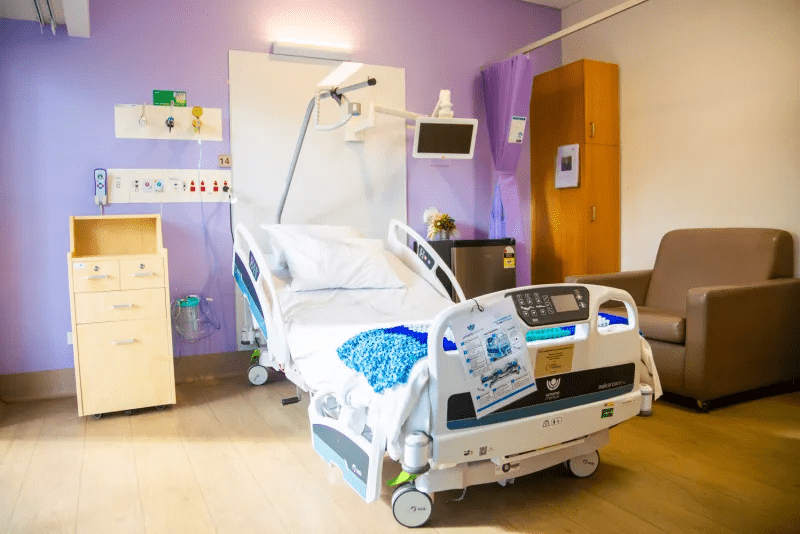
While Cuddle Beds are an innovative solution, they are also a reflection of a larger, more significant trend: the role of community involvement in end-of-life care. These beds are often funded by charitable donations and local community efforts, showing how deeply people care about making the end-of-life experience more humane. Hospitals and hospices may provide the physical care, but it is the community that can provide the emotional and financial support to make this care a reality.
This community support is critical not just for providing physical comfort, but also for ensuring that emotional well-being is prioritized. The willingness of individuals and local groups to come together to fund these beds or raise awareness about their importance highlights the deep empathy people have for one another. It’s a reminder that we are all connected — that community involvement can profoundly impact how people die and how they are remembered.
This model of community-driven healthcare can inspire future projects aimed at improving end-of-life care. It demonstrates that care is not just a financial transaction between the patient and the healthcare provider but a communal responsibility. These beds are funded and implemented through a spirit of solidarity and empathy, and this may be the true value of Cuddle Beds: they remind us that we are all part of the same human experience.
Creating Emotional Memories During the Final Moments
There’s something deeply special about creating emotional memories during the final moments of a loved one’s life. In many ways, these memories become the legacy that survives them. For families, the last moments together are an opportunity to not only say goodbye but also to celebrate the life that was lived.
Cuddle Beds play a key role in facilitating this experience. By allowing families to physically stay close to their loved ones, these beds offer a space for emotional connection and memory-making. Some families report that they were able to share personal stories, reflect on good times, or even express long-held emotions that had been left unspoken. Laughter, tears, and love all become part of the final narrative, turning a somber moment into one of celebration and reflection.
These emotional memories can be immensely healing. They help family members find closure and peace by offering a moment of emotional intimacy that can often be hard to achieve in traditional hospital settings. For patients, the opportunity to connect emotionally with their families before passing can bring a deep sense of comfort, knowing they are loved, honored, and remembered.
The simple act of lying in bed with a loved one and sharing stories, or just holding hands in silence, becomes a memory that lasts forever. The power of these memories can be a source of strength for family members in the grieving process, and it underscores the importance of compassionate end-of-life care.

Cuddle Beds and the Future of Aging and End-of-Life Care
The introduction of Cuddle Beds has opened up new possibilities not only for terminally ill patients but also for the elderly population as a whole. While the primary focus has been on end-of-life care, this concept could extend into broader aspects of aging care. The elderly, particularly those with chronic illnesses, often feel isolated, lonely, and disconnected from their loved ones. The ability to share space with family members, to hold hands, share stories, and experience emotional intimacy is an aspect of aging that is too often neglected in traditional elder care settings.
Cuddle Beds could be a solution for people who are not in the terminal stages but still experiencing the physical and emotional challenges of aging. Many senior citizens face issues like loneliness and isolation, which can have a profound impact on their physical and mental health. Allowing family members to spend more time physically close to their elderly loved ones could improve their overall quality of life, reduce feelings of depression, and help maintain the emotional bonds that are so vital during the aging process.
In the future, we may see Cuddle Beds or similar concepts being integrated into senior living facilities, nursing homes, and even assisted living environments. This would allow for intimate, family-centered care, promoting closeness and emotional connection as part of the aging experience. Compassionate care in these settings would not only address the physical needs of aging individuals but also promote emotional well-being by providing opportunities for meaningful human connection.
Conclusion:
A Touching Reminder of the Power of Love and Compassion
Cuddle Beds represent more than just a comfortable piece of furniture. They symbolize a profound shift in how we approach end-of-life care, bringing love, warmth, and closeness to the final moments. By allowing families to physically connect with their terminally ill loved ones, Cuddle Beds foster a deeper sense of peace, helping families navigate a difficult time with grace and compassion.
In a world where hospitals are often seen as places of cold efficiency, these beds stand as a reminder of the importance of human connection. They offer patients and their families a way to experience the final moments of life with dignity, love, and the comfort of being together.
As more hospitals and hospices adopt the use of Cuddle Beds, the hope is that this compassionate innovation will continue to spread. It is a testament to the idea that sometimes, the best medicine isn’t a pill, but the presence of loved ones, the warmth of a hand to hold, and the comfort of being close.