
Introduction: A Surprising Shift in the Frozen Continent
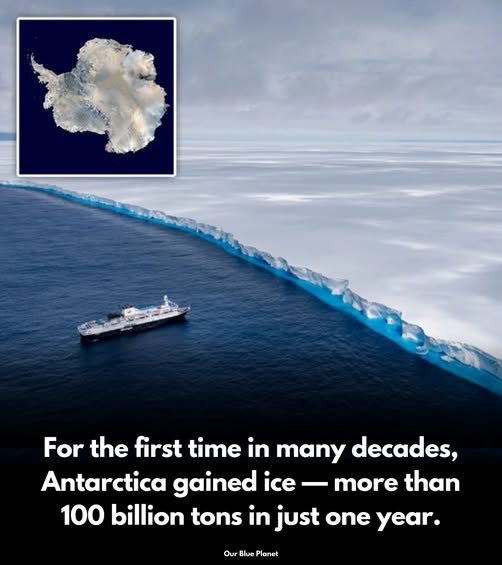
Antarctica, a region that has long been a symbol of ice loss and environmental distress, has recently revealed an unexpected anomaly—an increase in its ice volume. For the first time in many decades, scientists have reported a gain of over 100 billion tons of ice in just one year. In a world where melting glaciers and retreating ice sheets are daily news, this surprising change has scientists both puzzled and intrigued. While it’s true that a single year of ice accumulation cannot reverse long-term trends of ice loss, this new data presents a crucial opportunity to rethink the dynamics of Earth’s natural systems. Could this be an isolated event, or is it part of a more complex and nuanced process? This article delves into the meaning behind this ice gain, the factors that might have contributed to it, and the broader implications for our understanding of climate change and global environmental shifts.
1. The Context: Antarctica’s Ice Loss and the Global Picture
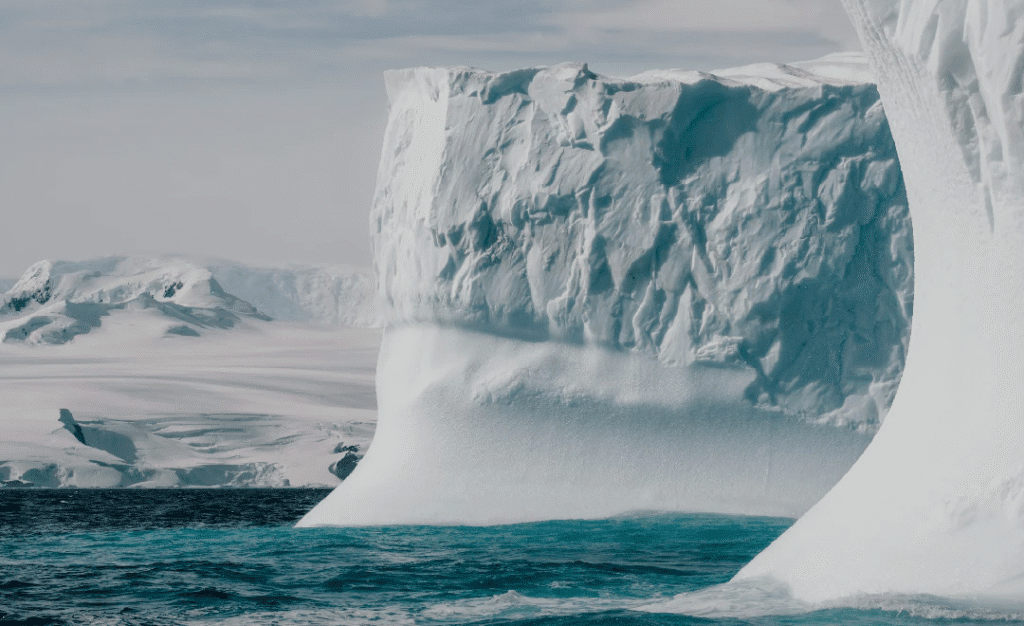
Antarctica is one of the most critical and closely studied regions on Earth when it comes to climate science. Its ice sheets are a cornerstone in global sea level regulation and the overall climate system. For the past several decades, the story of Antarctica has largely been one of ice loss, driven primarily by rising global temperatures. Yet, this new increase in ice challenges our assumptions about the continent’s future, offering a glimpse into the complexity of Earth’s dynamic systems.
1.1 The Melting Trend: A Century of Loss
Over the past century, Antarctica has seen a steady decline in its ice volume. According to scientific reports, between 1979 and 2017, the Antarctic Ice Sheet lost nearly 2.7 trillion tons of ice, contributing significantly to rising sea levels. This ice loss is attributed to two primary factors: the warming atmosphere and the warming oceans. As global temperatures rise, the ice shelves—the floating extensions of the ice sheet—begin to melt, allowing for more rapid retreat and thinning.
Particularly in the West Antarctic Ice Sheet, the trend has been alarming. The combination of warmer ocean currents and atmospheric changes has led to accelerated melting, causing irreversible damage to key glaciers. The Antarctic Peninsula has warmed at nearly three times the global average rate, driving the ice loss in this region.
1.2 The Role of Ice in Global Climate
Antarctica’s ice sheets contain about 60% of the world’s fresh water. The behavior of these ice sheets directly impacts global sea levels, which in turn affect coastal regions around the world. As more ice melts and flows into the oceans, sea levels rise, threatening millions of people living in coastal cities. Furthermore, the loss of sea ice plays a role in the global climate system, as ice reflects sunlight, helping to maintain cooler temperatures. As the ice melts, more heat is absorbed by the oceans, which accelerates global warming in a feedback loop.
2. The Data: What the New Findings Tell Us
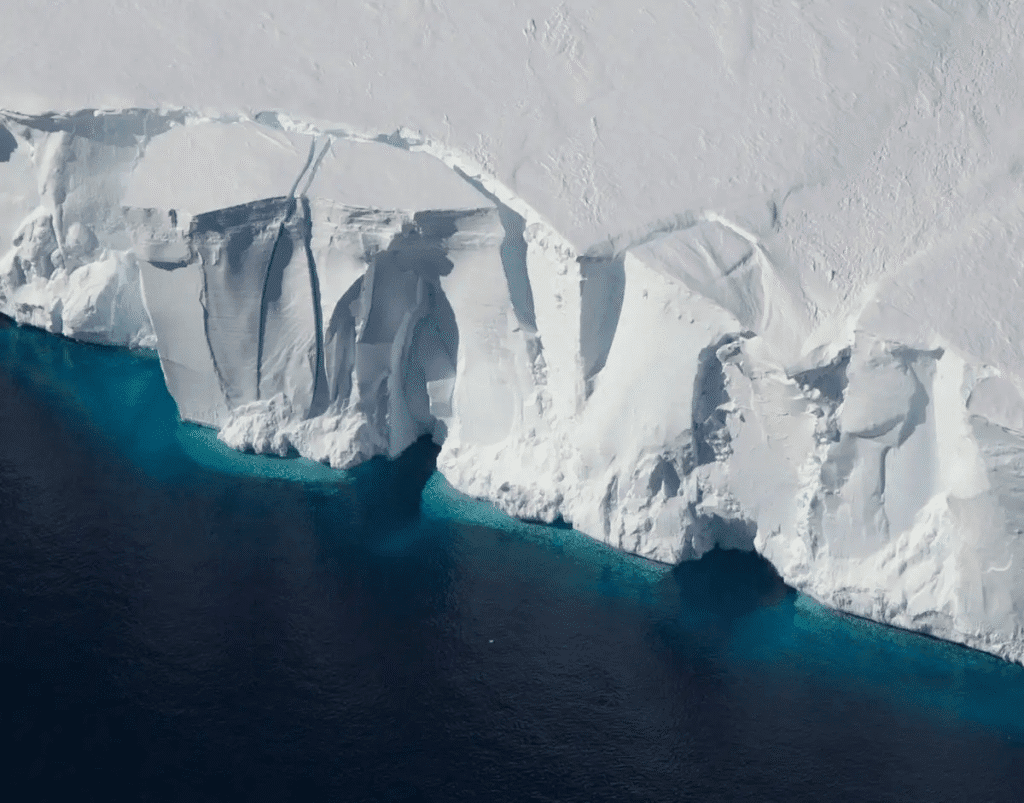
The findings from the recent study by Wang et al. (2025) have sent shockwaves through the scientific community. According to their research, for the first time in decades, Antarctica gained over 100 billion tons of ice between 2024 and 2025. While this single year of increase does not counteract the broader, long-term trends of ice loss, it presents a fascinating anomaly in the context of ongoing climate change.
2.1 How Was the Ice Gain Measured?
The study relied on advanced satellite data and sophisticated modeling techniques to track changes in the mass of the Antarctic Ice Sheet over the past two decades. By analyzing the satellite imagery and comparing the measurements of ice mass from 2002 to 2023, scientists could identify trends in ice accumulation and loss with incredible precision. The increase in ice mass during 2024-2025 was significant enough to raise questions about the mechanisms driving this change.
2.2 Why Did the Ice Increase?
The reasons behind this ice gain are still not entirely understood, but scientists have proposed a few possible explanations:
- Regional Variations: Antarctica is not a monolithic, uniform environment. Different regions experience climate change in different ways, and the East Antarctic Ice Sheet, for example, has shown more stability than other regions. Some researchers believe that localized conditions in certain areas might have contributed to the ice accumulation.
- Increased Precipitation: Warmer ocean temperatures and changing atmospheric conditions can lead to increased evaporation, which in turn could lead to higher snowfall in certain parts of Antarctica. Snowfall, over time, can contribute to the accumulation of ice, especially if the precipitation rate exceeds the melting rate.
- Ocean Circulation Changes: Ocean currents play a vital role in regulating the temperature of Antarctic waters, and shifts in these currents could potentially impact the stability of ice shelves. Changes in the Southern Annular Mode (SAM) or other climatic oscillations might be influencing regional ice dynamics.
3. The Big Picture: What Does This Mean for Climate Science?
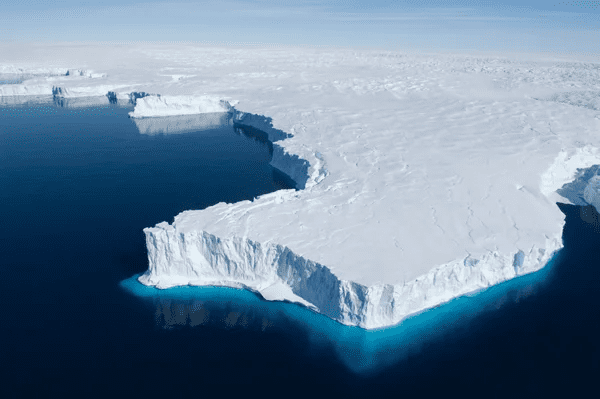
This unexpected ice gain is more than just an isolated event. It raises important questions about the complexity of Earth’s climate systems and the inherent unpredictability of natural processes. While scientists caution that a single year of ice accumulation should not be interpreted as evidence of a long-term reversal in ice loss, the data calls for a deeper exploration of the factors at play in Antarctica’s ice dynamics.
3.1 A Reminder of the Complexities of Climate Change
The ice gain in Antarctica serves as a poignant reminder that climate change is not a linear, predictable process. While global warming is driving the loss of ice in many regions, the Earth’s natural systems are deeply interconnected, and small changes in one area can have cascading effects elsewhere. Scientists have long acknowledged the complexity of the global climate system, but this recent development underscores the fact that Earth’s responses to climate change are still not fully understood.
3.2 Potential for Recovery?
Although it is unlikely that Antarctica will experience a full recovery of its ice sheets, the recent gain raises important questions about the potential for localized stabilization. Could the East Antarctic Ice Sheet, for example, remain relatively stable and possibly even grow in certain regions under specific conditions? While a complete reversal of ice loss is not expected, the gain of 100 billion tons of ice reminds us that some areas of the planet may still possess the ability to stabilize and resist environmental decline.
4. Global Implications: What the Ice Gain Means for Us
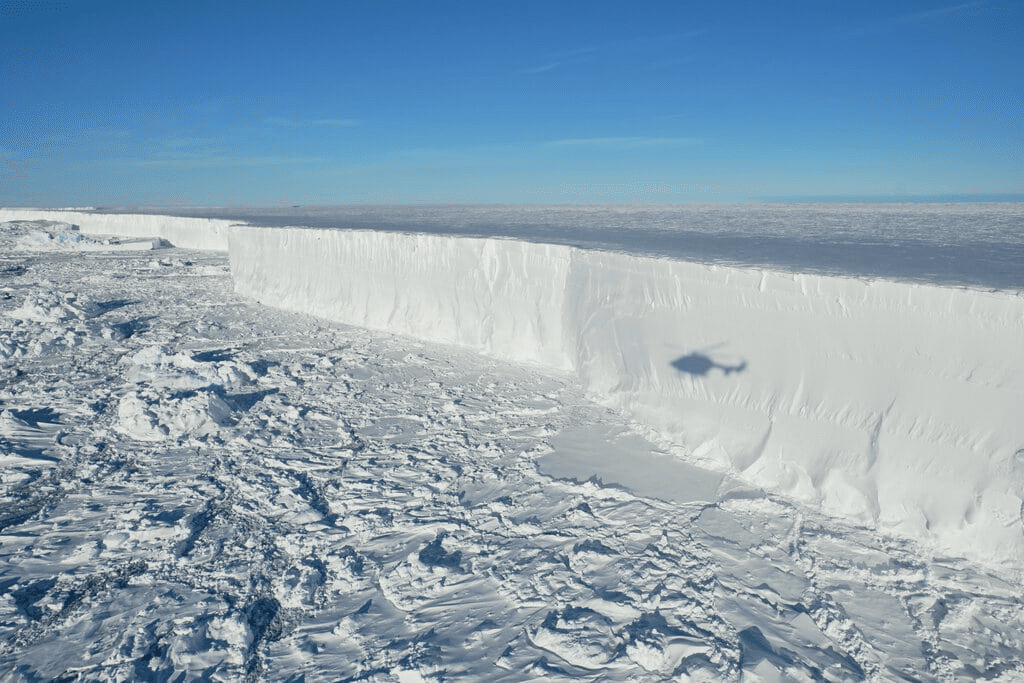
The implications of Antarctica’s ice dynamics extend far beyond the continent itself. Changes in Antarctica’s ice sheets influence global sea levels, ocean currents, and weather patterns. While a single year of ice gain might not have an immediate or significant impact on global sea levels, the broader trends in Antarctica’s ice sheets have lasting consequences for our planet.
4.1 Impact on Sea Level Rise
Even though the ice gain is encouraging, scientists emphasize that it will not be enough to counterbalance the overall trend of ice loss in Antarctica. Over the past few decades, the Antarctic Ice Sheet has contributed to a rise in global sea levels by several millimeters per year, and this trend is expected to continue. The recent ice gain is unlikely to stop or reverse the rising tide of sea levels in the short term. However, it does serve as a reminder that the dynamics of ice sheets are far more complex than once thought.
4.2 Environmental Benefits
One of the potential benefits of this ice gain could be the stabilization of ecosystems that depend on a stable ice environment. For instance, the survival of marine species like krill, which rely on sea ice for habitat, could be supported by the preservation of ice conditions. A temporary halt in ice loss could buy more time for these species, giving them a chance to adapt or recover from ongoing environmental pressures.
5. The Future: Can We Rely on This as a Sign of Hope?
As we look to the future, it’s clear that the fight against climate change is far from over. The ice gain in Antarctica is an interesting anomaly, but it’s unlikely that this event signals a long-term trend. The overall trajectory of global temperatures remains upward, and the melting of ice continues at an alarming rate.
5.1 The Need for Climate Action
While the ice gain provides a moment of surprise, it does not alter the fact that climate change is one of the most pressing challenges facing humanity. Rising temperatures, environmental degradation, and the continued loss of ice in other regions require urgent action. Governments, scientists, and individuals must continue working toward solutions that reduce greenhouse gas emissions, protect fragile ecosystems, and support the resilience of the planet’s natural systems.
5.2 The Role of Scientific Research
Ongoing scientific research in Antarctica and other regions is crucial to understanding the complexities of our changing climate. Data collected from satellite imagery, ice core samples, and oceanic measurements will continue to offer valuable insights into the behavior of Earth’s ice systems. By expanding our understanding of the mechanisms driving ice loss and gain, scientists can develop more accurate predictions and inform policies that will help mitigate the effects of climate change.
Conclusion: Nature’s Complex Dance
The recent ice gain in Antarctica is an unexpected twist in the ongoing narrative of climate change. It serves as a reminder that Earth’s natural systems are not as predictable as we might assume. While this event does not signal a reversal of the damage caused by climate change, it underscores the complexity of the planet’s environmental systems. Nature still has much to teach us, and this ice gain offers a glimmer of hope that, even amid the challenges we face, there is still room for surprising resilience.