

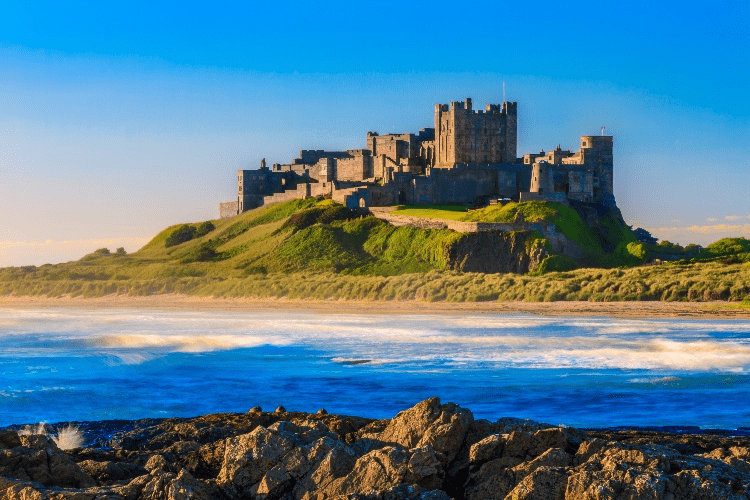
Nestled on a rugged cliff overlooking the windswept shores of Northumberland, Bamburgh Castle has long been a symbol of strength, resilience, and British history. With more than 1,400 years of history, this magnificent fortress stands as one of England’s finest coastal landmarks. A blend of history, architecture, and natural beauty, Bamburgh Castle has witnessed centuries of change—from medieval battles to modern-day preservation efforts.
This article takes a deep dive into the rich history of Bamburgh Castle, examining its evolution, significance, and the role it continues to play in both the local community and the larger historical narrative of England.
The Origins of Bamburgh Castle
The roots of Bamburgh Castle date back to the 6th century when it was first built by the kings of Northumbria. It is thought that a fortification was established on the site as early as the 5th or 6th century, likely built by the early Anglo-Saxons as part of their efforts to consolidate power in the region. The initial structure was likely a wooden fort, designed to defend the Northumbrian kings from the Picts and other tribal groups to the north.
The first recorded use of the name “Bamburgh” comes from the Anglo-Saxon period. It is believed that the name comes from the Old English “Bebbanburh,” which translates to “Bebba’s stronghold,” named after a legendary queen who might have been the wife of King Ida of Northumbria, one of the first kings of Northumberland. The site of Bamburgh Castle was chosen for its strategic location, offering a commanding view of the North Sea and surrounding land, making it an ideal place for both defense and governance.
Medieval Power and the Rise of Bamburgh Castle
By the 11th century, the wooden fortifications of Bamburgh Castle had been replaced with more permanent stone structures. The Normans, who had recently conquered England in 1066, saw the strategic importance of Bamburgh Castle and quickly made it one of their key strongholds. The Norman Earl of Northumberland, who had been granted control of the region, ordered the construction of a new stone castle, which served as a symbol of Norman power in the North.
Bamburgh’s history as a center of royal power continued throughout the Middle Ages. During the 12th and 13th centuries, the castle became the seat of the powerful Bamburgh family, who played an influential role in the politics and affairs of the North. In the 14th century, Bamburgh Castle was the site of several important events, including sieges and battles between rival factions.
One of the most notable events in the history of Bamburgh Castle occurred during the English Civil War. The castle was a Royalist stronghold, and in 1644, it was besieged by Parliamentary forces. Despite the castle’s formidable defenses, the siege lasted for over two months before the Royalists finally surrendered. After the Civil War, the castle was largely abandoned, and its once-mighty walls fell into disrepair.
The Restoration of Bamburgh Castle
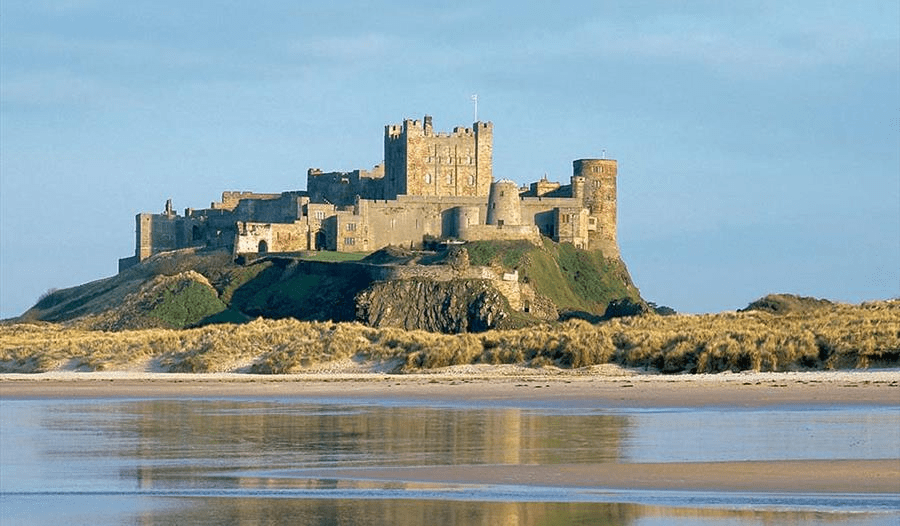
By the 18th and 19th centuries, Bamburgh Castle had fallen into a state of disrepair. However, in the mid-19th century, the castle was restored to its former glory, thanks to the efforts of local noble families. In 1704, the castle was inherited by the wealthy industrialist Sir William Armstrong, who began a series of restoration projects that would help preserve the castle’s historical significance.
Armstrong was a man of vision, and his restoration efforts transformed Bamburgh Castle from a decaying ruin into a majestic symbol of Britain’s history. His renovations included the installation of new windows, the construction of a beautiful Victorian-era entrance hall, and the restoration of the castle’s iconic walls. His efforts also focused on modernizing the castle, ensuring that it remained both a functional residence and a historical monument.
Today, Bamburgh Castle remains one of the best-preserved examples of Norman architecture in England. Visitors can explore its grand halls, ancient ramparts, and stunning views of the surrounding coastline. The castle’s interior boasts a wealth of historical artifacts, including portraits of the Armstrong family, ancient armor, and displays of local history. One of the most notable features of the castle is its extensive collection of medieval and Victorian weaponry, offering a glimpse into the military history of the region.
Bamburgh Castle in Modern Times
In the 20th and 21st centuries, Bamburgh Castle has become one of Northumberland’s most beloved landmarks, attracting visitors from around the world. In addition to its status as a historical site, Bamburgh Castle has also been used as a location for film and television productions. Its dramatic setting and stunning architecture have made it a popular choice for filmmakers seeking a majestic backdrop for their projects. The castle has appeared in numerous films and TV shows, including the popular BBC series “The Last Kingdom,” which is based on the novels by Bernard Cornwell.
The castle has also played an important role in the local community. Its grounds are regularly used for public events, including concerts, outdoor theater performances, and festivals. The castle’s majestic exterior and surrounding gardens make it a popular venue for weddings and other celebrations, while its historical significance continues to draw history buffs and tourists alike.
Today, Bamburgh Castle is still owned by the Armstrong family and is managed by the Bamburgh Castle Trust, which works to ensure the preservation of this remarkable building. The Trust continues to fund restoration and conservation projects, ensuring that future generations will be able to enjoy the castle’s beauty and history for years to come.
The Architectural Beauty of Bamburgh Castle
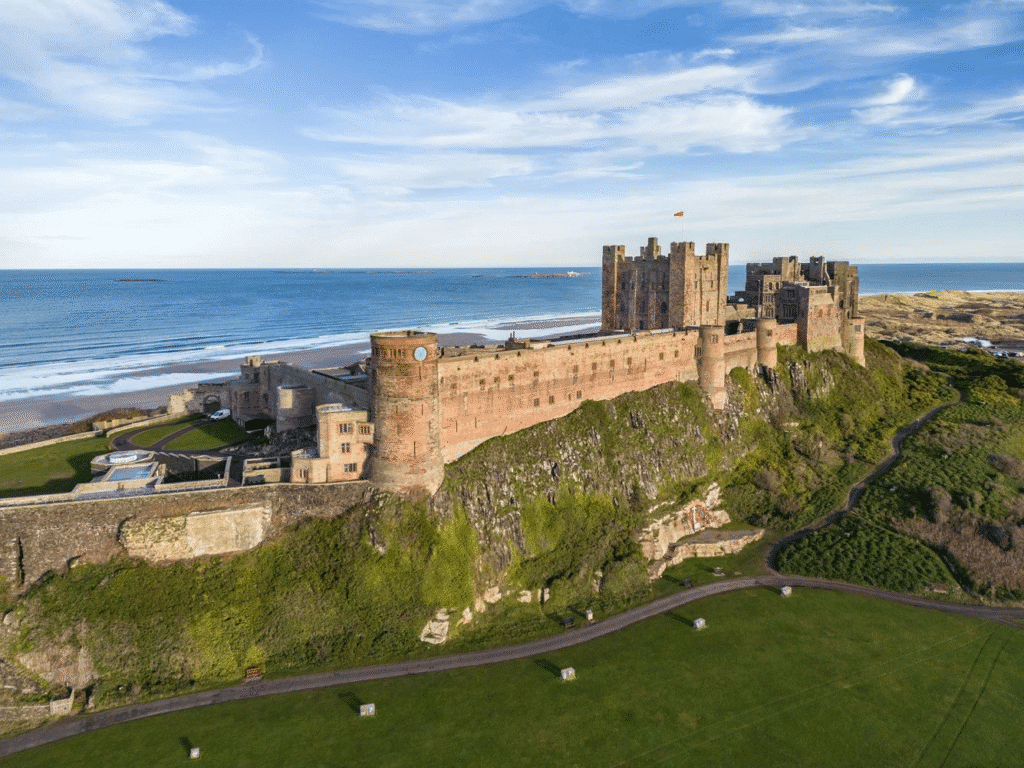
One of the most striking features of Bamburgh Castle is its architecture. The castle is a stunning example of Gothic Revival architecture, characterized by its towering stone walls, arched windows, and pointed roofs. The castle’s layout is designed to make the most of its natural location, with walls that rise dramatically from the rocky cliffs and a central courtyard that offers panoramic views of the surrounding landscape.
The castle’s interior is equally impressive, with grand halls and chambers that reflect the wealth and influence of its former inhabitants. Visitors can explore the castle’s various rooms, including the Great Hall, the Lord’s Bedroom, and the Chapel, all of which have been carefully restored to preserve their historical integrity.
Bamburgh Castle’s grounds are just as captivating as its architecture. The castle is surrounded by 250 acres of lush gardens and parkland, offering visitors the opportunity to explore the natural beauty of the area. The castle’s location on the coast provides stunning views of the North Sea, while its gardens feature a variety of plants and flowers, including ancient trees that have stood on the site for centuries.
The Significance of Bamburgh Castle
Bamburgh Castle is not just a beautiful structure; it is a symbol of England’s rich history and cultural heritage. The castle’s long history has seen it play a key role in the defense of England, the shaping of its political landscape, and the preservation of its cultural traditions. It has witnessed countless events, from the Norman Conquest to the English Civil War, and has been home to a number of influential figures in British history.
As one of the most iconic castles in England, Bamburgh Castle stands as a testament to the enduring strength and resilience of the British people. Its towering walls and breathtaking views serve as a reminder of the country’s past, while its continued preservation ensures that its legacy will live on for generations to come.
Visiting Bamburgh Castle
For those interested in exploring the beauty and history of Bamburgh Castle, a visit is an unforgettable experience. The castle is open to the public throughout the year, with guided tours available to help visitors learn more about its history and architecture. The castle’s staff is knowledgeable and passionate about the site’s history, providing visitors with fascinating insights into the lives of those who lived and worked there.
Visitors can also explore the castle’s museum, which houses an extensive collection of artifacts from the castle’s past, as well as the Armstrong family’s personal collections. The museum provides a deeper understanding of the castle’s history, including its role in local and national events.
In addition to its historical offerings, Bamburgh Castle also provides a range of activities for visitors to enjoy, including workshops, special events, and educational programs. Whether you’re interested in history, architecture, or simply enjoying the stunning views, Bamburgh Castle offers something for everyone.
Conclusion
Bamburgh Castle is a true gem of England, a fortress that has stood the test of time for over 1,400 years. Its breathtaking architecture, rich history, and stunning location on the Northumberland coastline make it one of the most remarkable landmarks in the country. Whether you’re a history enthusiast, an architecture lover, or simply someone seeking a beautiful and peaceful place to explore, Bamburgh Castle is a must-visit destination. Its legacy continues to inspire and captivate visitors, offering a glimpse into England’s past while preserving its future for generations to come.