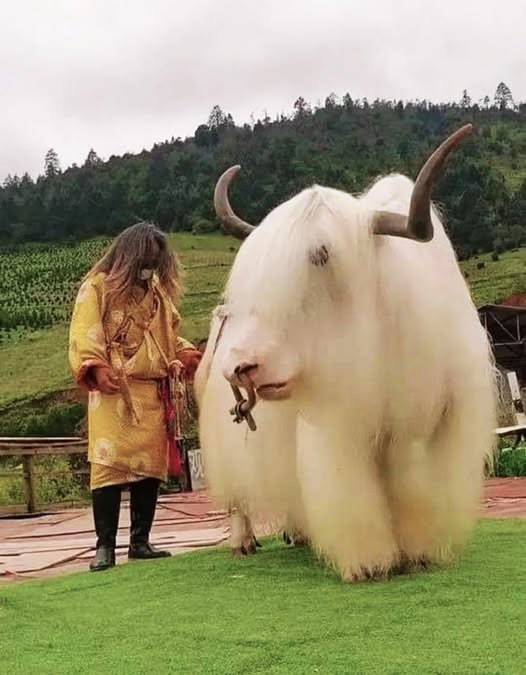

Among the towering peaks of the Tibetan Plateau, there exists a creature so rare and so remarkable that it has become a symbol of purity, strength, and resilience. This creature is the Tibetan White Yak, often referred to as the “Snow White Yak.” While the yak species in general is known for its hardy nature and its ability to withstand some of the harshest conditions on Earth, the Tibetan White Yak takes this resilience to another level, possessing strikingly beautiful snow-white fur. Found in small populations across Tibet and parts of China, these yaks are considered to be among the rarest color phases of the species. But what makes them so special, and what role do they play in the cultural, ecological, and economic landscape of the region? This article explores the origin, physical traits, cultural significance, and conservation efforts related to the Tibetan White Yak, offering a comprehensive look at this majestic animal.
Origins and Rarity: The Tibetan White Yak’s Unlikely Emergence
The Tibetan Yak, also known scientifically as Bos grunniens, is a domesticated species that has been integral to the Tibetan people for centuries. Native to the high-altitude regions of Tibet, Nepal, and parts of China, these animals have been bred for their milk, meat, wool, and as pack animals. While the majority of yaks are of darker colors—ranging from black to brown and gray—the Tibetan White Yak represents a rare genetic mutation that results in their pristine white fur.
Scientists estimate that only around 3% of the yak population exhibits this rare genetic trait, making the Tibetan White Yak one of the most highly sought-after and revered animals in the region. The population of these white yaks is primarily concentrated in the Tianzhu Tibetan region of China, a place known for its picturesque landscapes and remote, high-altitude terrain. While the white variant is rare, it has become a symbol of Tibet’s untouched wilderness and has captivated people worldwide for its unique beauty.
Physical Characteristics: A Natural Masterpiece
- Appearance:
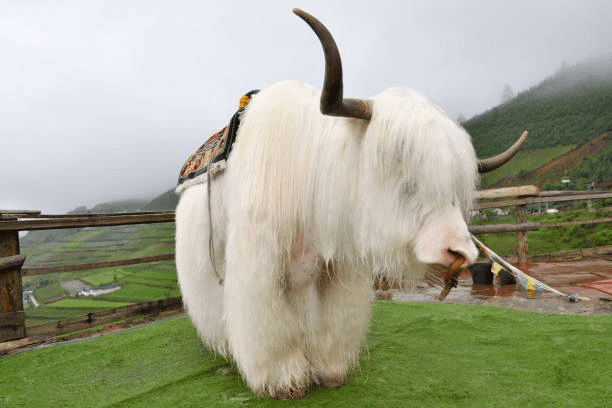
The Tibetan White Yak is instantly recognizable for its breathtakingly beautiful appearance. Covered in thick, fluffy white fur, it looks almost otherworldly against the backdrop of the rocky, snow-capped mountains. Their long, dense coats are perfect for insulation in the frigid conditions of the Tibetan Plateau, where temperatures can plummet to well below freezing. Their fur is not only a visual marvel but also a vital adaptation that helps these animals survive in such extreme environments. - Size and Build:
Despite their seemingly delicate appearance, Tibetan White Yaks are robust and strong animals. Adult males can weigh over 1,000 kilograms (about 2,200 pounds), while females are slightly smaller. These large creatures are built for the rugged, high-altitude terrain of the Tibetan Plateau. Their stocky bodies and wide hooves make them well-suited for traversing rocky, uneven ground. Their horns, which curve gracefully outward, are another striking feature of their appearance, further contributing to their majestic, powerful presence. - Adaptations to High Altitude:
The Tibetan White Yak’s thick fur serves as an essential survival mechanism in the harsh climates of the plateau. But beyond their appearance, these animals are also adapted physiologically to thrive in one of the highest and most oxygen-deprived places on Earth. Their large lungs help them take in the thin air of the plateau, and their specialized circulatory system ensures that their bodies are able to function even with limited oxygen. These adaptations make the Tibetan White Yak an incredible survivor in its high-altitude home.
The Tibetan Yak’s Habitat: Life on the Roof of the World
The Tibetan Plateau, also known as “The Roof of the World,” is one of the most extreme and remote ecosystems on the planet. It is an immense, sprawling highland that stretches across Tibet, Qinghai, and parts of Nepal and India. The region is characterized by its altitude, which averages about 4,500 meters (14,800 feet) above sea level, and its harsh weather, with winter temperatures often plummeting to -40°C (-40°F). The plateau is also known for its rugged terrain, with vast expanses of grassland, rocky hills, and snow-covered peaks.
For the Tibetan White Yak, this environment is both home and survival ground. The high-altitude meadows and pastures of Tibet offer an abundance of tough, hardy grasses that the yaks graze on, providing them with the nourishment they need to survive. The terrain is challenging, but the yak’s strong legs and wide hooves allow it to navigate the rocky surfaces with ease, making it a vital part of the Tibetan ecosystem.
These yaks are able to endure the freezing temperatures of the plateau because of their dense, insulating fur. In fact, their fur is so thick that it forms a natural barrier against the cold, while also helping to retain moisture in their bodies, preventing dehydration in such an arid environment.
Cultural Significance: More Than Just Livestock
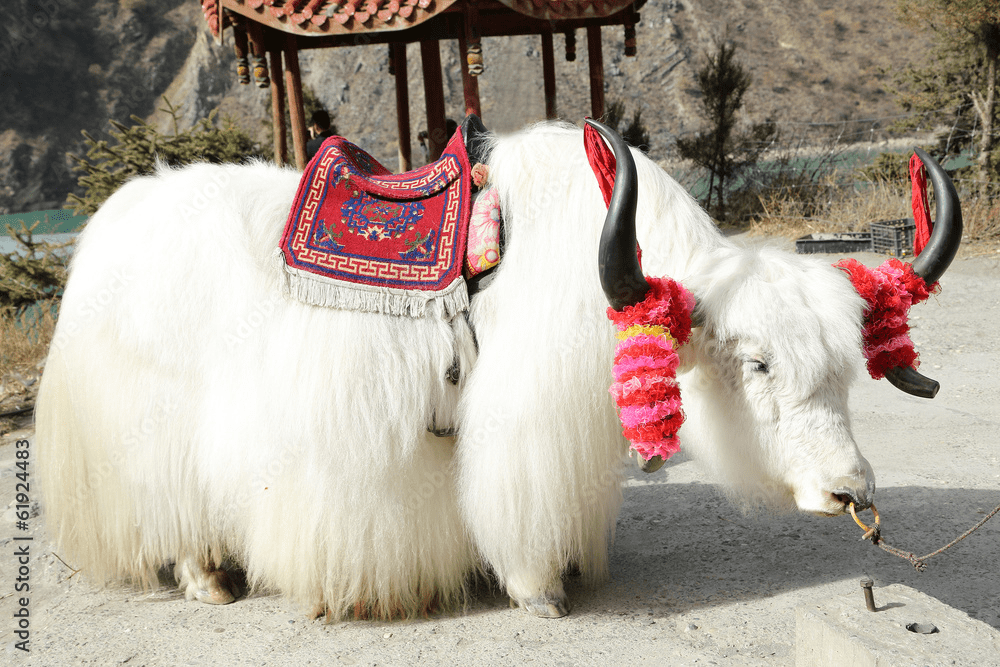
The Tibetan White Yak holds a special place in Tibetan culture. Not merely an animal to be raised for its practical uses, the yak is deeply embedded in the cultural and spiritual life of the Tibetan people. In Tibetan Buddhism, the yak is a symbol of strength, endurance, and resilience. It is often featured in local folklore, mythology, and religious art, and its image can be found in many traditional Tibetan temples and monasteries.
In addition to their symbolic value, Tibetan White Yaks are an important part of the local economy. They are used as pack animals, transporting goods across the treacherous landscape of the plateau. Their milk is an important staple of the Tibetan diet, used to make a variety of dairy products, including butter and cheese. Yak wool is also highly prized for its warmth and durability, and it is used to make traditional Tibetan garments and blankets. In fact, yak wool is considered one of the finest natural fibers in the world, known for its softness and insulating properties.
The Yak in Tibetan Life: From Herding to Ceremony
In rural Tibet, where modern infrastructure is limited, the yak is often the backbone of daily life. For centuries, Tibetan herders have relied on yaks to sustain their nomadic lifestyle. These animals provide everything from food and clothing to transportation and shelter materials. The yak is so integral to Tibetan life that the Tibetan New Year, or Losar, includes ceremonies honoring the yak, with some families even performing rituals to ensure the health and prosperity of their herds.
Tibetan White Yaks are particularly valued for their rarity and beauty. Their unique color has made them a symbol of purity and good fortune, and they are sometimes used in traditional Tibetan celebrations and festivals. In some regions, the Tibetan White Yak is believed to bring blessings to the household and to ward off evil spirits. It is not uncommon to see these animals featured in religious ceremonies or as part of elaborate rituals conducted by Tibetan monks.
Conservation Efforts: Protecting a Rare Species
Despite their importance and cultural significance, the Tibetan White Yak faces numerous threats. Like many species in the region, these yaks are vulnerable to the effects of climate change, which has led to changes in the availability of grazing land and the overall ecosystem of the Tibetan Plateau. The increasing human encroachment into yak habitats, as well as the ongoing threat of habitat loss due to mining and development, further exacerbates the challenges faced by these animals.
In recent years, local conservation groups have focused on protecting the Tibetan White Yak by implementing sustainable farming practices and promoting eco-tourism. These initiatives aim to raise awareness of the yak’s unique status while also ensuring that local communities can continue to rely on these animals for their livelihoods.
Additionally, breeding programs have been established to maintain the population of Tibetan White Yaks and preserve their genetic diversity. The efforts are crucial, as the survival of this rare animal depends on the ability to balance human needs with the protection of the environment.
The Future of the Tibetan White Yak: A Symbol of Resilience and Hope
As one of the most majestic and rare creatures in the world, the Tibetan White Yak represents not only the beauty of nature but also the need for urgent conservation efforts. With the ongoing threats posed by climate change, human activity, and habitat loss, it is more important than ever to ensure the protection of these remarkable animals.
The Tibetan White Yak’s ability to survive in one of the most inhospitable environments on Earth is a testament to its resilience. Yet, its future depends on a collective effort to preserve its habitat and protect its place in Tibetan culture. By supporting sustainable practices and conservation initiatives, we can ensure that future generations of Tibetans and people around the world can continue to admire and learn from this rare and remarkable species.
Conclusion:
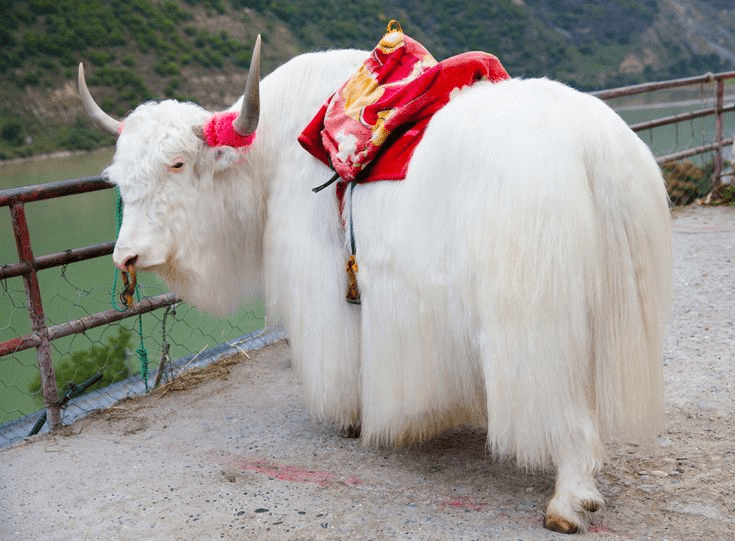
The Tibetan White Yak is a living symbol of the strength, endurance, and beauty that nature has to offer. Its rarity, physical characteristics, and cultural significance make it one of the most fascinating animals in the world. However, it is also a reminder of the delicate balance between humanity and nature, and the responsibility we have to protect the unique creatures that share our planet.
As we continue to face global environmental challenges, the Tibetan White Yak reminds us that the most extraordinary things can thrive even in the harshest conditions, but they require our care and respect. It is our duty to ensure that this majestic creature continues to roam the Tibetan Plateau, a living testament to the resilience of nature.