
Introduction: Understanding Bats – The Misunderstood Creatures of the Night
Bats, often associated with darkness, superstition, and mystery, carry a reputation that far outweighs their true nature. These small, winged mammals, found in almost every part of the world, are often feared and misunderstood. People envision them as pests, invaders of our personal spaces, or even dangerous blood-suckers. However, the reality is vastly different. Bats are some of the most beneficial creatures on Earth, providing essential services to ecosystems and human society.
One of the most common misconceptions about bats is that they are frightening or harmful, yet they play an instrumental role in controlling insect populations, especially mosquitoes. In fact, bats are integral to maintaining ecological balance, and they should be recognized for their positive contributions to both nature and human health. This article aims to shed light on the true nature of bats, offering a compassionate and fact-based perspective on how we can peacefully coexist with these fascinating creatures.
Section 1: The Biology of Bats – Fascinating Creatures of the Night
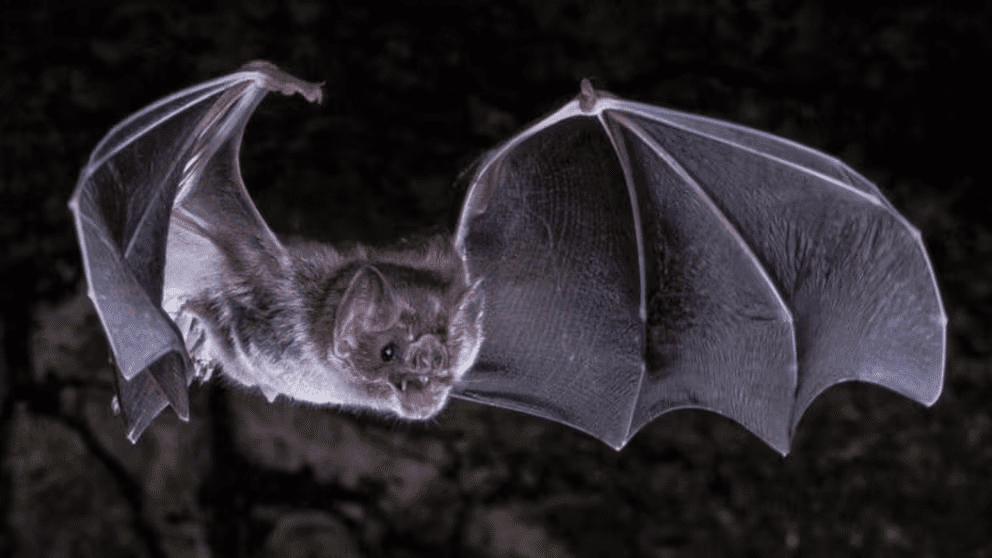
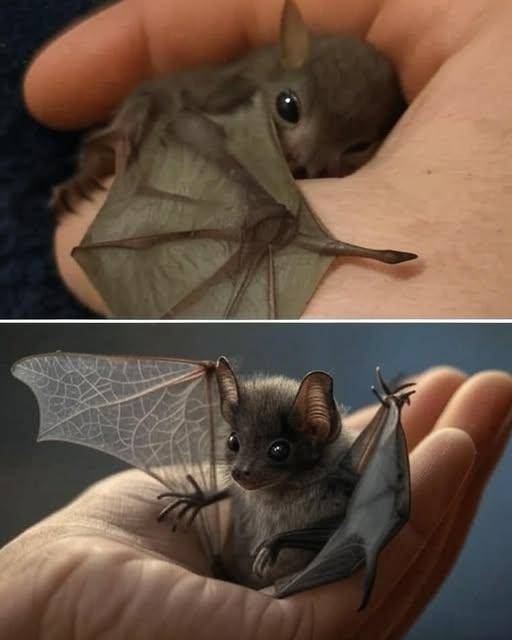
Bats belong to the order Chiroptera, which translates to “hand-wing,” referencing the unique structure of their wings. Unlike birds, whose wings are made of feathers, bats have wings that are a thin membrane stretched over elongated finger bones. This anatomy allows them to fly, a remarkable feat for mammals. Bats are the only mammals capable of sustained flight, and they are incredibly diverse, with more than 1,400 species worldwide.
There are two primary groups of bats: Megachiroptera (large fruit bats, also known as flying foxes) and Microchiroptera (small insectivorous bats). The former is typically larger and feeds mainly on fruit, nectar, and pollen, while the latter is smaller and primarily preys on insects, using echolocation to navigate and hunt in the dark.
Bats’ wings and echolocation abilities are what set them apart from other mammals. Their wings are highly flexible, which allows for maneuverability in flight. The ability to fly gives them access to areas that are inaccessible to many other animals. Their most notable skill, however, is echolocation. By emitting high-frequency sounds, which bounce off objects and return to the bat, they can “see” in the dark, detecting the size, shape, and location of objects—crucial for catching insects or avoiding obstacles in total darkness.
Key points to include:
The function of echolocation in hunting and navigation.
Bats’ diverse species, from fruit bats to insectivorous bats.
The unique anatomy of bat wings.
Section 2: Debunking Myths – Bats Do Not Drink Blood
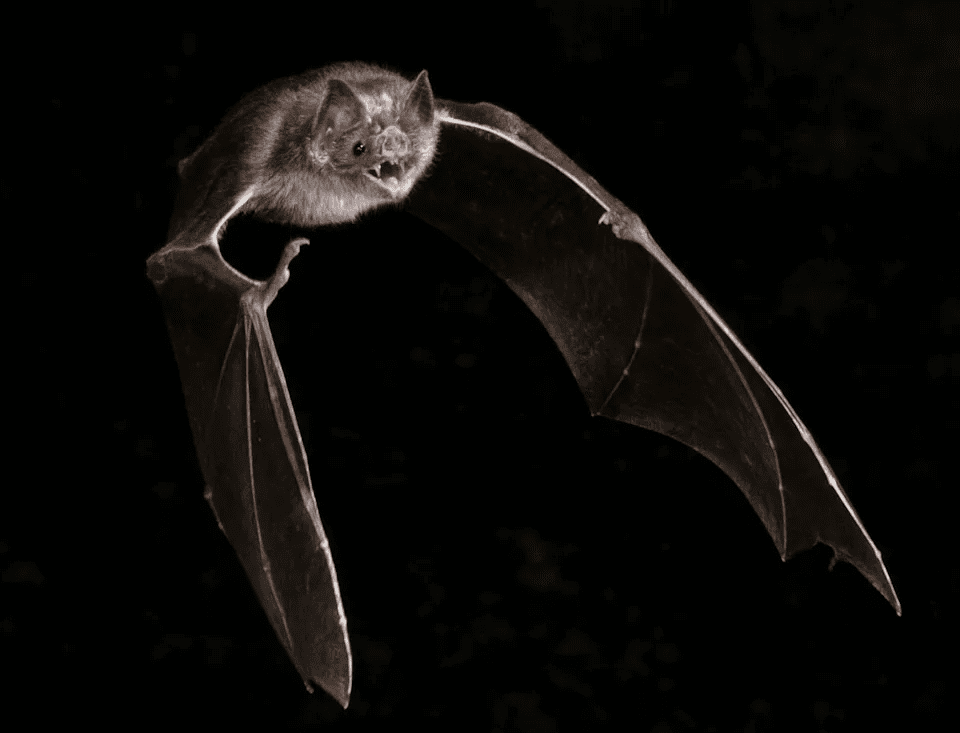
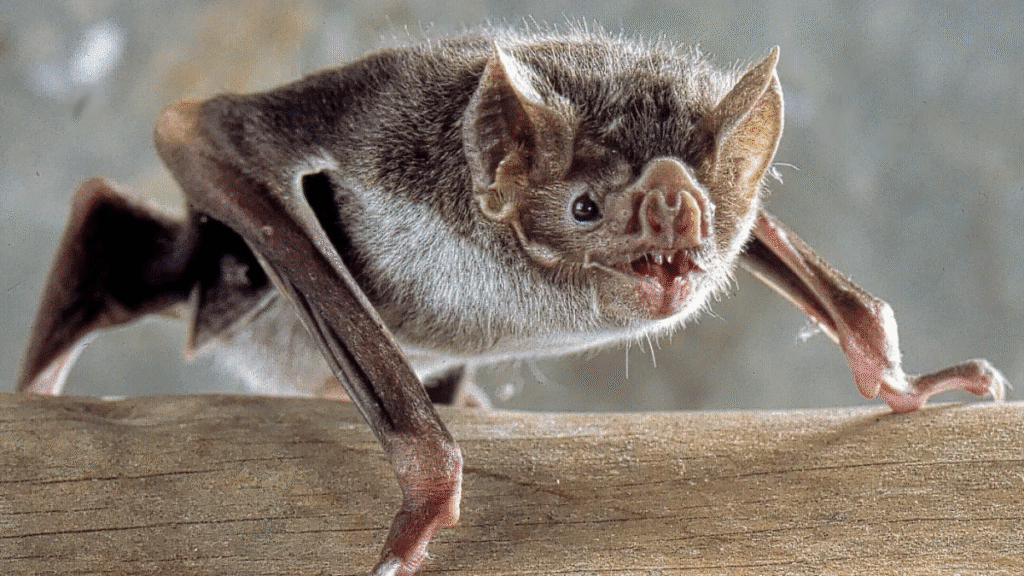
One of the most pervasive myths about bats is their association with blood-drinking. This misconception stems from media depictions of “vampire bats,” which have a taste for blood. However, only three bat species—out of more than 1,400—feed on blood. These bats are typically found in Central and South America, where they feed on livestock, not humans. Vampire bats possess specialized heat sensors on their noses to detect warm blood beneath their prey’s skin.
It is essential to recognize that the vast majority of bats do not consume blood. The majority are insectivores or frugivores (fruit-eaters), consuming insects, fruits, and nectar. In fact, bats are some of the most effective natural pest controllers, eating thousands of insects every night, including mosquitoes, beetles, and moths.
Bats play an important ecological role by controlling insect populations. Without them, the insect populations would explode, leading to a greater need for chemical pesticides, which can be harmful to both the environment and human health. Additionally, some bats, such as nectar-feeding species, are pollinators and help fertilize plants, including crops that humans rely on.
Key points to include:
- The truth about vampire bats and their feeding habits.
- Most bats feed on insects, fruits, and nectar, benefiting ecosystems.
- The role of bats in pest control and reducing the need for chemical pesticides.
Section 3: Why Bats Are Important – The Ecological Benefits of Having Bats Around
Bats are not just fascinating creatures; they are vital for the health of ecosystems. One of their most important roles is insect control. Bats consume vast quantities of insects every night—up to 1,000 mosquitoes or other pests per hour, depending on the species. This means that bats provide a free, natural form of pest control, protecting crops, forests, and homes from insect damage.
In addition to controlling insects, many bats are essential pollinators. Fruit bats, for instance, play a crucial role in the pollination of various plants, including mangoes, bananas, and agave plants. These plants rely on bats for fertilization, helping them produce fruits and seeds that are vital to the food chain, including human agriculture. Without bats, the pollination of many plants would be hindered, leading to decreased crop yields.
Furthermore, some bats are involved in seed dispersal, particularly in tropical environments. By eating fruits and then flying away to new areas, they help spread seeds that contribute to forest regeneration. This process helps maintain biodiversity and ensure the stability of ecosystems.
Key points to include:
- The importance of bats in controlling insect populations.
- Bat pollination of crucial plants like mangoes and bananas.
- Bats as seed dispersers, promoting forest regeneration.
Section 4: How to Safely Coexist with Bats – What to Do if You Encounter One
Despite their benefits, bats may occasionally find their way into human homes, especially if they are seeking shelter. It’s important to remember that bats are not aggressive and do not intentionally seek to harm humans. If a bat enters your home, the best course of action is to remain calm and provide it with a way to exit. Here are some simple steps to safely guide a bat back outdoors:Turn off the lights inside: Bats are drawn to light, so it’s important to make the inside of your home less appealing by dimming or turning off lights.
Open a window or door: Open a door or window that leads to the outside. You may want to place a light outside to encourage the bat to fly towards it.
Guide the bat outside: If the bat lands inside, gently guide it outside using a towel. Avoid touching the bat with your bare hands, as they may carry diseases like rabies, although this is rare. Simply use the towel to encourage it to fly out.
It’s important to avoid using force when trying to remove a bat. Bats are fragile creatures, and mishandling them can cause harm. Never attempt to kill or capture the bat in a harmful way. Instead, follow the steps above to ensure a peaceful exit for both you and the bat.
Key points to include:
- The proper way to remove a bat from your home without harming it.
- Why it’s important not to panic or harm the bat.
- The benefits of guiding the bat to safety instead of harming it.
Section 5: The Decline of Bat Habitats – Why Bat Roosts Are Disappearing
Bats are facing a significant decline in their populations, mainly due to habitat loss. As human development increases, forests are being cut down, old buildings are demolished, and caves are sealed off. These actions remove critical roosting sites for bats, leaving them with fewer places to live and breed.
Bats rely on old buildings, trees, caves, and even bridges for shelter. Without these natural and man-made structures, bats are left without a safe place to rest. Deforestation, urbanization, and the destruction of their natural habitats are causing a dramatic decline in bat numbers. If bats continue to lose their homes, their populations could dwindle, making it harder for them to perform their vital ecological services.
Key points to include:
- The destruction of bat habitats due to human development.
- The importance of preserving roosting sites for bats.
- How human actions are directly contributing to bat population decline.
Section 6: How We Can Help – Supporting Bat Conservation Efforts
While bats are facing many threats, there are steps that we can take to help protect them. Conservation efforts focused on protecting bat habitats and ensuring their survival are essential to maintaining healthy ecosystems.
Install Bat Houses: One way to help bats is by installing bat houses in gardens, parks, or on the edges of forests. Bat houses provide a safe and secure place for bats to roost, especially in areas where natural habitats have been lost.
Support Wildlife Organizations: Many organizations are dedicated to bat conservation. By donating to or volunteering with these organizations, you can help fund research and conservation programs that protect bats.
Create Bat-Friendly Spaces: In your garden, avoid using harmful pesticides and plant bat-friendly plants. Create a welcoming environment for bats to thrive in.
Conservation efforts are vital for preserving bat populations and ensuring that they can continue to contribute to the environment. Supporting these efforts helps protect bats and the ecosystem as a whole.
Key points to include:
- How installing bat houses can help protect bats.
- The role of wildlife organizations in bat conservation.
- Ways to create bat-friendly spaces in your own backyard.
Section 7: The Bigger Picture – Why Protecting Bats Is Crucial for Our Future
Bats are not just important for pest control and pollination—they are also bioindicators, meaning their health reflects the overall health of ecosystems. When bat populations decline, it often signals broader environmental issues, such as pollution, habitat destruction, and climate change.
Protecting bats is not only important for maintaining biodiversity, but also for protecting the balance of nature. By helping bats thrive, we are also ensuring the health of the ecosystems they support, which ultimately benefits humans as well. Bats may be small, but their impact is immeasurable, and they are an essential part of the world’s biodiversity.
Key points to include:
- Bats as bioindicators of environmental health.
- The interconnectedness of species and ecosystems.
- Why bat conservation is crucial for the future of the planet.
Conclusion: A Call for Kindness and Understanding
In the face of global challenges like climate change and habitat destruction, it’s essential to approach our relationship with wildlife—particularly bats—with compassion and understanding. These creatures offer us invaluable benefits, from reducing pests to supporting agriculture and biodiversity. It is up to us to ensure that bats continue to thrive by protecting their habitats and showing kindness when they venture into our spaces.
The bat’s gentle plea is simple yet profound: “Please show kindness—I want to live too.” Let’s answer that call and ensure that bats have the space to live, grow, and continue their crucial role in our world.